
111-29 Queens Blvd, Forest Hills, NY 11375
111-29 Queens Blvd, Forest Hills, NY 11375


Choosing the right primary care doctor can feel confusing, especially when terms like family practice and general practice are often used interchangeably. While both focus on comprehensive, front-line healthcare, they differ in training, scope of care, and the types of patients they serve. Understanding the distinction between family practice vs general practice can help you make a more informed decision about who should manage your routine checkups, chronic conditions, and long-term health needs.
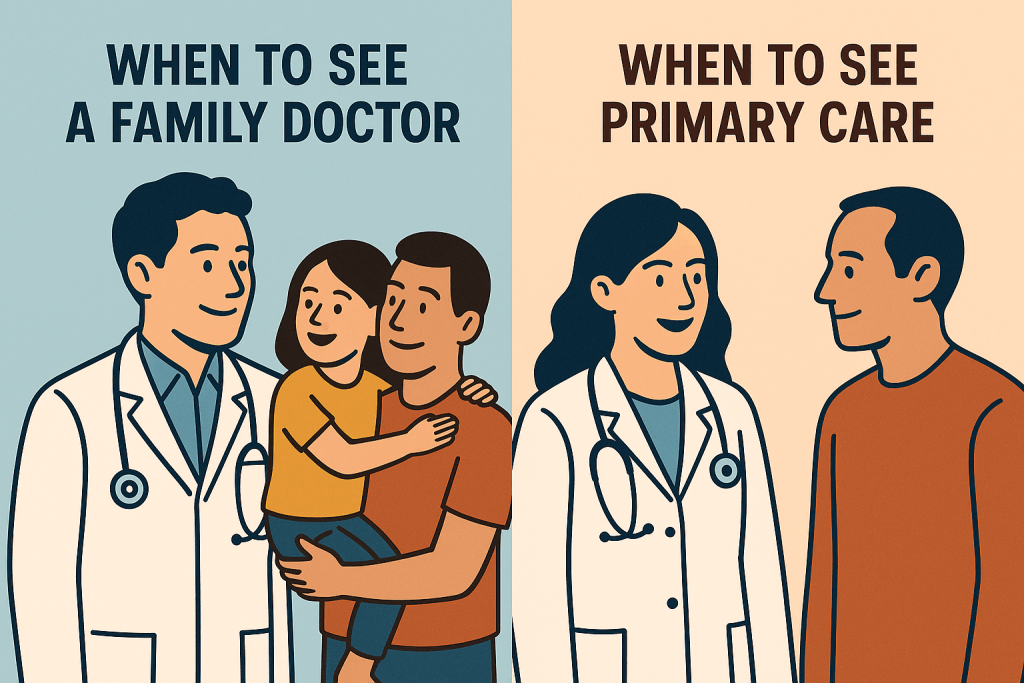
Primary care is the first point of contact for patients in the healthcare system. It acts as the entryway into the healthcare world, addressing a broad spectrum of health issues. It’s where you go for regular check-ups, vaccinations, and general health advice. These visits help maintain health and prevent diseases through early detection and management. Primary care physicians (PCPs) are trained to diagnose and treat a wide variety of health issues. They play a crucial role in identifying health problems early on and managing ongoing health conditions. They also coordinate care with specialists if needed, ensuring that all aspects of a patient’s health are considered. But within primary care, there are several types of doctors you might encounter, each with specific areas of focus.
Yes, a family doctor is a type of primary care physician. Family doctors are trained to provide comprehensive and continuous care across all ages and stages of life. However, not all primary care physicians are family doctors. You might choose a family doctor if you’re looking for comprehensive care for your entire family, regardless of age. This choice can simplify healthcare management, as one doctor can address the needs of all family members.
Family doctors are versatile. They can treat a wide range of conditions and provide preventive care for all family members. Their broad training allows them to handle medical issues that affect patients at different life stages. If you prefer having a single doctor for your entire family, a family doctor is an excellent choice. They can handle everything from infant care to elder care, and they often develop long-term relationships with families. These relationships foster a deep understanding of family health history, enhancing personalized care.
If you’re an adult looking for a doctor who specializes in adult health, an internist might be the right choice. Internists are trained to deal specifically with adult health issues, making them experts in this field. These doctors are experts in diagnosing and treating adult diseases and often manage complex medical conditions. Their focus on adult health allows them to provide targeted care that addresses specific adult health challenges.
Internal medicine doctors can serve as primary care physicians. Their role encompasses both preventive care and the management of chronic conditions. They provide comprehensive care for adults, focusing on prevention, diagnosis, and treatment of adult diseases. Internists are particularly skilled in managing patients with multiple health issues, coordinating care across different specialties when necessary.
Choosing the right primary care provider involves considering your health needs, the needs of your family, and your preferences for care. This decision is crucial as it impacts the quality of care you receive. Here are some tips to help you decide:
Understanding the differences between a family doctor and a primary care physician can help you make informed decisions about your healthcare. This knowledge empowers you to choose a provider who best meets your needs. Whether you choose a family doctor for comprehensive family care or an internist for specialized adult care, having the right primary care provider is crucial for maintaining your health. Building a strong relationship with your primary care provider can lead to better health outcomes and a more satisfying healthcare experience.
Ultimately, the choice depends on your unique health needs, family situation, and personal preferences. By considering these factors, you can find a primary care provider who will be a trusted partner in your health journey. Taking the time to choose the right provider can lead to a long-term, beneficial healthcare relationship.
What’s the difference between a family doctor and a primary care physician?
A family doctor provides comprehensive care for patients of all ages, while a primary care physician (PCP) may specialize in adults (internal medicine) or children (pediatrics). Both are your first point of contact for most health concerns.
Can a family doctor also be my primary care provider?
Yes. A family doctor often serves as your primary care provider, managing all aspects of your health, from preventive screenings to chronic disease management.
When should I choose a family doctor instead of an internal medicine doctor?
If your household wants one doctor for adults and children, a family doctor is ideal. For adult-only care, an internal medicine doctor may be better suited.
Who provides better long-term care — family doctor or primary care doctor?
Both offer long-term care, but family doctors emphasize continuity across generations, while internal medicine physicians focus more on adult-specific conditions.
Can both treat children and adults?
Family doctors treat all ages. Primary care includes pediatricians for children and internists for adults.
Do family doctors handle more preventive care than specialists?
Yes. Family doctors and PCPs focus heavily on prevention, lifestyle counseling, and regular health maintenance visits.
What conditions do both family and primary care doctors treat?
They treat colds, flu, chronic illnesses like hypertension, diabetes, asthma, and provide vaccinations and screenings.
Which doctor should I see for annual checkups?
Either. Family doctors and primary care physicians both perform routine physical exams and preventive screenings.
Who manages chronic conditions like diabetes or hypertension?
Both do, though your PCP may coordinate care with specialists when needed.
Can I switch from a family doctor to a primary care doctor easily?
Yes. You can transfer records and care at any time; both use similar medical systems.
Should I see a family doctor or primary care doctor for sore throat?
Either can evaluate a sore throat and order a strep test if needed.
Who should I see for a persistent cough?
See your primary care or family doctor if the cough lasts longer than three weeks or worsens over time.
Can both doctors prescribe antibiotics for strep throat?
Yes. Both can diagnose and prescribe antibiotics safely when a bacterial infection is confirmed.
When to see a primary care doctor for sinus infection?
If symptoms last more than 10 days or worsen after initial improvement, see your PCP or family doctor.
Who diagnoses bronchitis or pneumonia?
Both can evaluate, order chest X-rays, and prescribe medication if pneumonia or bronchitis is suspected.
Can a family doctor help with allergies?
Yes. Family doctors can test for allergies or refer to an allergist if needed.
Who can order a chest X-ray for a persistent cough?
Both family and primary care doctors can order imaging to rule out infection or lung issues.
Is asthma treated by both family and primary care doctors?
Yes. Both can diagnose, prescribe inhalers, and create asthma management plans.
Can a family doctor help with shortness of breath?
Yes, they can evaluate your lungs and heart and refer you to a specialist if necessary.
Who manages chronic respiratory conditions like COPD?
Primary care and family doctors both manage COPD and coordinate with pulmonologists.
Who should I see for back pain — family doctor or primary care?
Either can examine you, order imaging, and refer to physical therapy or orthopedics.
Can both doctors refer me to an orthopedic specialist?
Yes. They’re both gatekeepers who coordinate referrals to orthopedic or pain specialists.
Who can diagnose joint pain or arthritis?
Both can diagnose arthritis and create a long-term pain or medication plan.
Should I go to a family doctor for shoulder or knee pain?
Yes. Family doctors can assess injuries, prescribe medication, and recommend exercises.
Who can recommend physical therapy?
Both can provide physical therapy referrals for rehabilitation.
Can both order MRI or X-rays for joint injuries?
Yes, both have authority to order diagnostic imaging.
When should I see a primary care doctor for muscle pain?
When pain lasts longer than two weeks, spreads, or limits daily movement.
Who handles repetitive strain injuries or carpal tunnel?
Both can diagnose and refer to hand specialists if needed.
Can a family doctor treat neck stiffness?
Yes. They can identify the cause — from poor posture to infection — and provide treatment.
Who provides pain management referrals?
Both coordinate care with pain management clinics for chronic or severe cases.
Who should monitor high blood pressure?
Both family and primary care doctors can monitor and adjust medications.
Can a family doctor diagnose heart palpitations?
Yes. They can run ECGs and order additional tests if irregular rhythms are suspected.
Who should I see for chest tightness?
Always see your primary care or go to urgent care immediately — chest pain needs prompt evaluation.
Can both perform ECGs?
Yes, many offices have ECG equipment or refer you to a cardiologist.
Who refers patients to cardiologists?
Both can refer you to a cardiologist for advanced care.
Should I see a primary care doctor for high cholesterol?
Yes. They can prescribe medication and create diet plans.
Who manages blood circulation issues or varicose veins?
Family and primary doctors can evaluate and refer to vascular specialists.
Can a family doctor treat minor swelling in legs or ankles?
Yes. They can rule out fluid retention, injury, or circulatory problems.
Who evaluates dizziness caused by low blood pressure?
Both can check vitals, run tests, and review medications.
Can both help with lifestyle changes for heart health?
Yes, they provide diet, exercise, and weight management counseling.
Who tests for diabetes — family doctor or primary care?
Both can order fasting glucose, HbA1c, and monitor long-term progress.
Can both interpret thyroid test results?
Yes. They can diagnose hypothyroidism or hyperthyroidism and prescribe medication.
Who should I see for weight gain and fatigue?
Start with your family or primary care doctor — they can test thyroid, hormone, or metabolic causes.
Can a family doctor manage insulin prescriptions?
Yes, they can prescribe insulin or refer to an endocrinologist for complex cases.
Who can refer to an endocrinologist?
Both primary and family doctors can refer if hormone-related issues need specialized care.
Who helps with prediabetes management?
Both can guide lifestyle changes and monitor blood sugar.
Can a primary care doctor help with hormonal imbalance?
Yes. They can test hormone levels and prescribe treatment or refer to endocrinology.
Who treats high blood sugar spikes?
Both doctors can adjust medications or insulin doses and provide diet counseling.
Should I see a family doctor for PCOS symptoms?
Yes. They can evaluate symptoms and refer to a gynecologist if needed.
Who should I consult for low testosterone or menopause?
Both can test hormone levels and discuss therapy options.
Who can diagnose ear infections?
Both can examine your ears and prescribe antibiotics if necessary.
Can both doctors treat urinary tract infections (UTIs)?
Yes. Both can run urine tests and prescribe medication.
Who can perform a strep test?
Both can perform rapid strep or throat cultures.
Who handles skin infections or rashes?
Family and primary care doctors diagnose and treat mild infections or refer to dermatology.
Can a family doctor prescribe antiviral medication?
Yes. They can prescribe antivirals for flu, cold sores, or shingles.
Who helps with repeated sinus infections?
Both can manage recurring infections and refer to an ENT.
Should I see a primary care doctor for fever lasting a week?
Yes. Persistent fever needs lab work to rule out infection or inflammation.
Who orders lab tests for infections?
Both family and primary care doctors can order and interpret lab results.
Can both treat mononucleosis?
Yes, they provide supportive care and monitor recovery.
Who provides follow-up for antibiotic treatment?
Both ensure infection clears and adjust medications if needed.
Who should I see for anxiety or depression?
Start with a family or primary care doctor — they can diagnose and prescribe medication.
Can both prescribe antidepressants?
Yes. Both can prescribe and monitor common antidepressant therapies.
Who refers to a psychiatrist or therapist?
Either doctor can refer you to mental health specialists.
Should I see a family doctor for insomnia?
Yes. They can evaluate causes and suggest sleep hygiene or medications.
Who helps with stress-related symptoms?
Both can recommend coping techniques and screen for anxiety or burnout.
Can a primary care doctor help with ADHD management?
Yes, they can diagnose, prescribe, and refer to behavioral therapy.
Who monitors side effects from psychiatric medications?
Both track progress, side effects, and dosage adjustments.
Who provides ongoing counseling support?
Family doctors may offer short-term support and refer for ongoing therapy.
Should I see a family doctor for burnout?
Yes. They can assess mental and physical symptoms and recommend rest or therapy.
Who offers medication follow-ups for mood disorders?
Both ensure medications work effectively and safely.
Who performs annual physical exams?
Both family and primary care doctors provide full annual checkups.
Who provides vaccinations?
Both administer vaccines for flu, COVID-19, tetanus, and others.
Can both order mammograms or colonoscopies?
Yes. They order preventive screenings based on your age and risk.
Who handles Pap smears and women’s health screenings?
Family doctors often do, but PCPs specializing in women’s health can too.
Should I go to a family doctor for prostate checks?
Yes. Family doctors and PCPs both handle prostate exams and PSA tests.
Who orders cholesterol or vitamin tests?
Both can order and interpret routine blood panels.
Can a family doctor help with cancer prevention plans?
Yes. They manage lifestyle risk factors and early screenings.
Who should I see for health risk assessments?
Either can perform comprehensive risk evaluations.
Who manages family history of genetic diseases?
Both track your family history and refer to genetic counseling if needed.
Who advises on preventive diet and lifestyle changes?
Both provide nutrition and exercise guidance tailored to your health.
Can a family doctor provide pediatric care?
Yes. Family doctors are trained in children’s health.
Who gives school physicals and vaccinations?
Both provide school and sports physicals, plus vaccines.
Should I choose a pediatrician instead of a family doctor?
Choose a pediatrician for highly specialized child care; family doctors are great for continuity within the whole family.
Who manages common colds and flu in children?
Both treat mild infections in kids.
Who helps with ADHD evaluations in kids?
Family doctors can screen and refer for behavioral assessments.
Can both track growth and development milestones?
Yes, both monitor height, weight, and development during visits.
Who treats ear infections or sore throats in toddlers?
Both can diagnose and prescribe antibiotics safely.
Should I take my teen to a family doctor for acne?
Yes. Family doctors can prescribe topical or oral treatments.
Who provides mental health guidance for teens?
Both can assess mood, anxiety, or school-related stress.
Who helps with sports injuries in children?
Either can assess and refer for imaging or physical therapy.
Who provides birth control consultations?
Both can discuss contraception options and prescribe pills, IUDs, or patches.
Can a family doctor do pelvic exams and Pap tests?
Yes. Family doctors perform routine gynecologic exams.
Who handles menopause symptoms?
Both can prescribe hormone therapy or lifestyle adjustments.
Who should I see for erectile dysfunction?
Either. Both can evaluate and prescribe medications if needed.
Can both screen for STDs?
Yes, they perform tests and provide treatment for sexually transmitted infections.
Who provides fertility counseling?
Both can start evaluations and refer to fertility specialists.
Can a primary care doctor prescribe hormone therapy?
Yes. They manage hormone therapy under supervision and monitoring.
Who helps with hair loss or skin changes due to hormones?
Both evaluate hormonal causes and coordinate with dermatologists.
Should I see a family doctor for pregnancy planning?
Yes. They can advise on prenatal vitamins, tests, and lifestyle changes.
Who coordinates overall care between specialists?
Both family and primary care doctors act as the central point for your medical team.
Medex is a multi-specialty clinic with 24-hour urgent care, primary care, and more than 30 board-certified specialists, including podiatry, cardiology, dermatology, pain management, gynecology, and physical therapy. Each department works under one roof for seamless referrals.
Yes. Every Medex doctor is board-certified in their specialty, undergoes peer review, and participates in ongoing CME (continuing medical education). Credentials are listed on our Meet the Doctors page.
Absolutely. Our Queens urgent care clinic is open for walk-in patients with minor injuries or sudden illnesses. You can also save time by reserving a same-day slot online.
Medex accepts all major commercial carriers plus Medicare, Medicaid, HIP, EmblemHealth, MetroPlus, Fidelis, and GHI. For specific coverage questions, call (718) 275-8900 or visit our Insurance page.
Use our secure online booking portal, call (718) 275-8900, or log in to the Patient Portal to reschedule.
Yes—most primary care and follow-up visits can be conducted via HIPAA-compliant video. Sign the Telemedicine Consent Form and choose “Virtual” when booking.
Yes. Our No-Fault Doctor Queens team handles car- accident injuries, and our Workers’ Comp Clinic manages job-related injuries and paperwork.
We’re at 111-29 Queens Blvd, Forest Hills, NY 11375—steps from the Forest Hills–71 Av subway station (E, F, M, R lines). A paid garage is next door and metered street parking surrounds the building.
We follow HIPAA privacy rules, store EHR data on encrypted servers, and require two-factor authentication for staff access. You may request records through our ChartRequest portal.
Adults in good health should schedule an annual physical. Patients managing chronic conditions may need follow-ups every 3–6 months; your doctor will advise a personalized schedule.
For safety, we require an active chart and a visit within the past 12 months (3 months for controlled substances). Ask your pharmacy to send an electronic refill request or message us through the Patient Portal.
Last reviewed: March 22, 2026.
Medex Diagnostic and Treatment Center
Coronavirus Disease (Covid19 IgG/IgM) FDA-approved rapid antibody tests, COVID-19, and Flu vaccine are now available at MEDEX medical office.