
111-29 Queens Blvd, Forest Hills, NY 11375
111-29 Queens Blvd, Forest Hills, NY 11375


Gallbladder symptoms often include sharp pain in the upper right abdomen, nausea, vomiting, bloating, and pain that radiates to the right shoulder or back. Symptoms commonly appear after eating fatty foods and may signal gallstones or gallbladder inflammation that require medical evaluation.
Gallbladder symptoms are often subtle at first, but ignoring them can lead to serious complications such as gallstones, infection, or pancreatitis. Understanding the early signs of gallbladder problems can help you seek timely care and prevent long-term damage.
At Medex Diagnostic and Treatment Center, our medical specialists diagnose and treat gallbladder conditions using advanced imaging and personalized medical care.
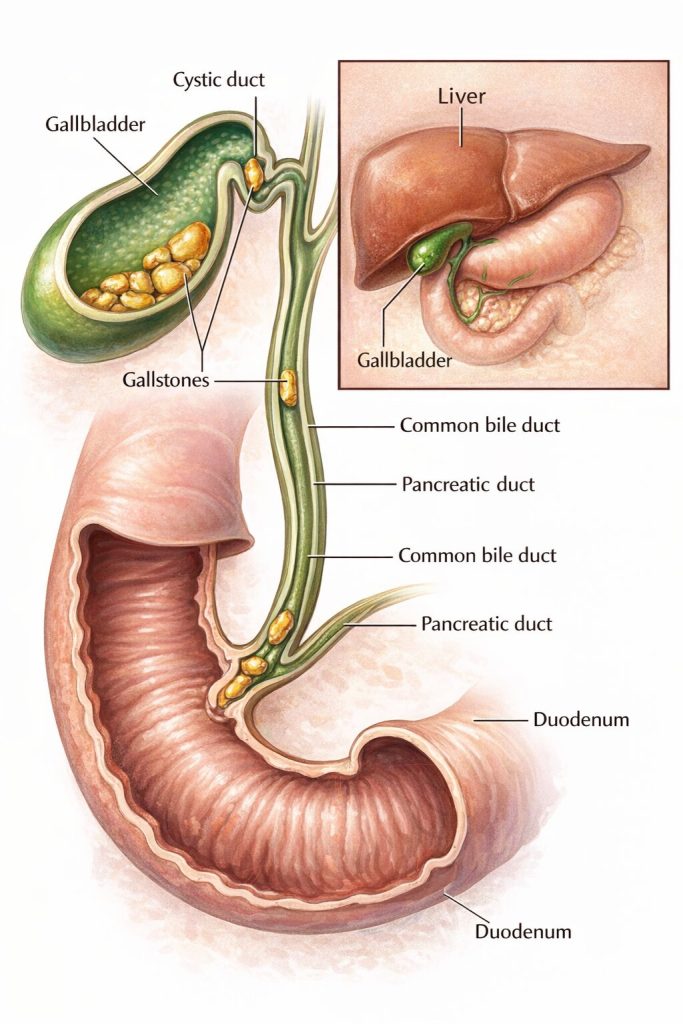
The gallbladder is a small, pear-shaped organ located on the upper right side of your abdomen, beneath the liver. Its main function is to store bile, a digestive fluid produced by the liver that helps break down fats in the small intestine.
When the gallbladder doesn’t empty properly or bile becomes imbalanced, gallstones and other gallbladder disorders can develop, often triggering painful symptoms.
Gallbladder symptoms usually appear when a gallstone blocks a bile duct or when inflammation develops. The most common symptoms include:
These symptoms may come and go, but recurring pain is a strong signal of gallbladder disease.
Call a doctor or seek emergency care if gallbladder symptoms include:
These signs may indicate gallbladder infection, bile duct blockage, or pancreatitis, all of which require urgent treatment.
Gallstones form when bile components become unbalanced. Common causes include:
Gallstones can be as small as sand or as large as a golf ball and some people develop multiple stones at once.
You may be at higher risk for gallbladder symptoms if you:
Without treatment, gallbladder symptoms can progress to:
To reduce your risk:
To prevent gallstones and manage gallbladder symptoms early, you should see:
A Gastroenterologist – for digestive evaluation, imaging, and medical management
A General Surgeon – if gallstones cause frequent symptoms or complications and surgery is needed
If you’re experiencing gallbladder symptoms in Queens, NY, such as persistent right-sided abdominal pain, nausea after meals, or pain spreading to the back or shoulder, early diagnosis is key. At Medex Diagnostic and Treatment Center, our gastroenterology specialists provide on-site imaging and expert evaluation to identify gallstones and prevent serious complications.
At Medex Diagnostic and Treatment Center in Queens, NY, our gastroenterology specialists can diagnose gallbladder conditions early and coordinate care with experienced surgeons when necessary, helping you avoid complications and unnecessary surgery whenever possible.
What are the most common gallbladder symptoms?
The most common gallbladder symptoms include sharp pain in the upper right abdomen, pain after eating (especially fatty foods), nausea, vomiting, bloating, and indigestion. Pain may also spread to the right shoulder or between the shoulder blades.
Where is gallbladder pain usually felt?
Gallbladder pain is typically felt in the upper right side of the abdomen, just beneath the ribs. Some people also experience pain in the center of the abdomen or in the back between the shoulder blades.
What does a gallbladder attack feel like?
A gallbladder attack often causes sudden, intense abdominal pain that builds quickly and may last from 30 minutes to several hours. It may be accompanied by nausea, vomiting, and pain radiating to the back or right shoulder.
Can you have gallstones without symptoms?
Yes. Many people have “silent” gallstones that do not cause symptoms. Treatment is usually only needed if gallstones lead to pain, inflammation, infection, or other complications.
What foods trigger gallbladder symptoms?
Gallbladder symptoms are commonly triggered by high-fat or fried foods, greasy meals, fast food, and large heavy meals. Some people also experience symptoms after high-cholesterol foods.
How are gallbladder problems diagnosed?
Gallbladder problems are typically diagnosed through a medical history, physical exam, blood tests, and imaging. An abdominal ultrasound is the most common test used to detect gallstones and gallbladder inflammation.
When should I see a doctor for gallbladder symptoms?
You should see a doctor if you experience recurring abdominal pain, nausea after meals, or symptoms that interfere with daily activities. Seek emergency care for severe pain, fever, chills, jaundice, or persistent vomiting.
Which doctor should I see for gallbladder symptoms?
A gastroenterologist is the best doctor to see for gallbladder symptoms and gallstone prevention. If gallstones cause frequent attacks or complications, a general surgeon may be involved to evaluate the need for gallbladder removal.
Medex Diagnostic and Treatment Center
Coronavirus Disease (Covid19 IgG/IgM) FDA-approved rapid antibody tests, COVID-19, and Flu vaccine are now available at MEDEX medical office.