
111-29 Queens Blvd, Forest Hills, NY 11375
111-29 Queens Blvd, Forest Hills, NY 11375


Demyelinating disease is a condition where the protective covering of nerves (myelin) is damaged, disrupting communication between the brain and body. This can cause weakness, numbness, vision problems, and coordination issues. Early diagnosis helps prevent long-term nerve damage.
A Neurology specialist, also known as a neurologist, is the primary doctor who diagnoses and treats demyelinating diseases. Neurologists evaluate symptoms, perform neurological exams, and order imaging studies such as MRI scans to detect nerve damage.
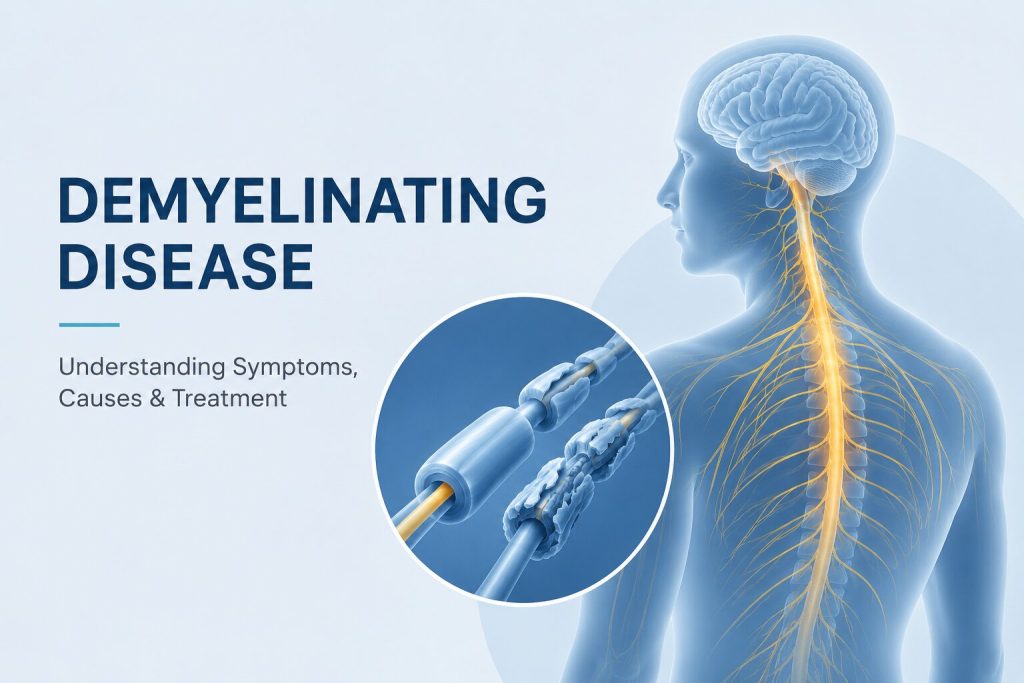
Demyelinating disease refers to a group of neurological conditions that damage myelin, the protective sheath surrounding nerve fibers in the central nervous system. When myelin breaks down, nerve signals slow or stop, leading to a wide range of physical and cognitive symptoms.
The most well-known demyelinating condition is Multiple Sclerosis, but other conditions such as Neuromyelitis Optica and Acute Disseminated Encephalomyelitis also fall into this category. These disorders can vary in severity, progression, and long-term outcomes.
Symptoms of demyelinating disease depend on which nerves are affected and how severe the damage is. They may develop suddenly or progress gradually, often appearing in episodes or flare-ups followed by periods of partial recovery.
Common symptoms include muscle weakness, numbness or tingling, vision problems such as blurred or double vision, difficulty walking, poor coordination, fatigue, and cognitive changes. Some patients also experience dizziness, bladder dysfunction, or speech difficulties depending on nerve involvement.
Demyelinating diseases are often caused by autoimmune reactions, where the immune system mistakenly attacks the body’s own myelin. In conditions like multiple sclerosis, this immune response leads to inflammation and progressive damage to nerve fibers over time.
Other causes may include viral infections, genetic predisposition, or inflammatory processes triggered by environmental factors. In some cases, demyelination occurs after infections or vaccinations, as seen in acute disseminated encephalomyelitis, particularly in children and young adults.
Myelin acts as insulation for nerve fibers, allowing electrical signals to travel quickly and efficiently between the brain, spinal cord, and body. When myelin is damaged, signals become delayed or blocked, leading to impaired movement, sensation, and organ function.
This disruption can affect multiple systems simultaneously, which is why symptoms often seem unrelated. For example, a patient may experience both vision changes and leg weakness, reflecting damage in different areas of the central nervous system.
You should seek medical attention if you experience persistent numbness, unexplained weakness, vision problems, or difficulty with coordination. Early symptoms of demyelinating disease can be subtle, but prompt evaluation is critical to prevent progression and long-term complications.
At Medex Diagnostic and Treatment Center in Queens, NY, our team evaluates neurological symptoms using advanced diagnostic tools. Early detection allows for targeted treatment plans that can slow disease progression and significantly improve quality of life for patients.
A Neurology specialist, also known as a neurologist, is the primary doctor who diagnoses and treats demyelinating diseases. Neurologists evaluate symptoms, perform neurological exams, and order imaging studies such as MRI scans to detect nerve damage.
In some cases, care may involve a multidisciplinary team, including physical therapists, rehabilitation specialists, and primary care physicians. At Medex, patients receive comprehensive neurological care tailored to their specific diagnosis and long-term health goals.
Diagnosing demyelinating disease typically involves imaging studies like MRI to identify lesions in the brain or spinal cord. Additional tests may include blood work, spinal fluid analysis, and nerve conduction studies to confirm the underlying cause.
Accurate diagnosis is essential because treatment varies depending on the specific condition. Early identification allows doctors to begin therapies that reduce inflammation, manage symptoms, and prevent further nerve damage over time.
Treatment for demyelinating disease focuses on managing symptoms, slowing disease progression, and reducing inflammation. Medications may include corticosteroids for acute flare-ups and disease-modifying therapies to control immune system activity.
Lifestyle adjustments, physical therapy, and ongoing monitoring are also essential components of care. With proper treatment, many patients can maintain a high quality of life and reduce the frequency and severity of disease flare-ups.
No, multiple sclerosis is one type of demyelinating disease, but there are several others with different causes, symptoms, and treatment approaches.
Most demyelinating diseases cannot be cured, but they can be effectively managed with medication and lifestyle changes to slow progression and reduce symptoms.
Yes, it can be serious if untreated, as it may lead to permanent nerve damage. Early diagnosis and treatment significantly improve long-term outcomes.
Triggers may include autoimmune reactions, infections, genetic factors, and environmental influences, although the exact cause is not always known.
Demyelinating disease affects how your nervous system communicates, which can impact movement, sensation, and overall function. Recognizing symptoms early and seeking care from a neurologist is the most important step toward effective management and long-term health.
If you are experiencing neurological symptoms, Medex Diagnostic and Treatment Center in Queens offers expert evaluation, advanced diagnostics, and personalized treatment plans to help you regain control of your health.
Medex is a multi-specialty clinic with 24-hour urgent care, primary care, and more than 30 board-certified specialists, including podiatry, cardiology, dermatology, pain management, gynecology, and physical therapy. Each department works under one roof for seamless referrals.
Yes. Every Medex doctor is board-certified in their specialty, undergoes peer review, and participates in ongoing CME (continuing medical education). Credentials are listed on our Meet the Doctors page.
Absolutely. Our Queens urgent care clinic is open for walk-in patients with minor injuries or sudden illnesses. You can also save time by reserving a same-day slot online.
Medex accepts all major commercial carriers plus Medicare, Medicaid, HIP, EmblemHealth, MetroPlus, Fidelis, and GHI. For specific coverage questions, call (718) 275-8900 or visit our Insurance page.
Use our secure online booking portal, call (718) 275-8900, or log in to the Patient Portal to reschedule.
Yes—most primary care and follow-up visits can be conducted via HIPAA-compliant video. Sign the Telemedicine Consent Form and choose “Virtual” when booking.
Yes. Our No-Fault Doctor Queens team handles car- accident injuries, and our Workers’ Comp Clinic manages job-related injuries and paperwork.
We’re at 111-29 Queens Blvd, Forest Hills, NY 11375—steps from the Forest Hills–71 Av subway station (E, F, M, R lines). A paid garage is next door and metered street parking surrounds the building.
We follow HIPAA privacy rules, store EHR data on encrypted servers, and require two-factor authentication for staff access. You may request records through our ChartRequest portal.
Adults in good health should schedule an annual physical. Patients managing chronic conditions may need follow-ups every 3–6 months; your doctor will advise a personalized schedule.
For safety, we require an active chart and a visit within the past 12 months (3 months for controlled substances). Ask your pharmacy to send an electronic refill request or message us through the Patient Portal.
Last reviewed: March 22, 2026.
Medex Diagnostic and Treatment Center
Coronavirus Disease (Covid19 IgG/IgM) FDA-approved rapid antibody tests, COVID-19, and Flu vaccine are now available at MEDEX medical office.