
111-29 Queens Blvd, Forest Hills, NY 11375
111-29 Queens Blvd, Forest Hills, NY 11375


Hearing the phrase “epithelial cell abnormality” on a lab report can sound scary, but in most cases, it’s manageable and treatable, especially when caught early.
Epithelial cells line the surfaces of your body such as the cervix, skin, lungs, urinary tract, and digestive tract. An abnormality means some of these cells don’t look typical under a microscope. This does not automatically mean cancer. Often, it reflects inflammation, infection, hormonal changes, or early precancerous changes that simply need follow-up.
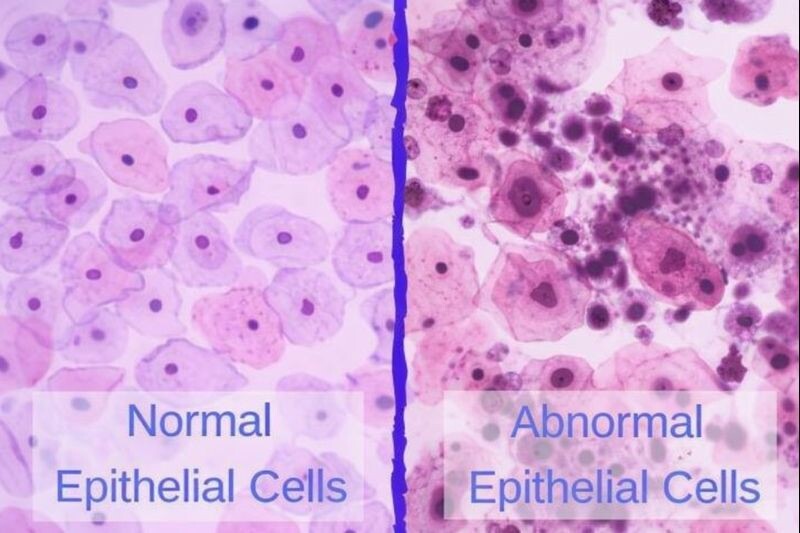
The most frequent findings are in the cervix, usually detected during a Pap smear. Other areas that can show epithelial abnormalities include:
In women, cervical epithelial abnormalities are often linked to HPV, but many cases resolve with monitoring or minor treatment.
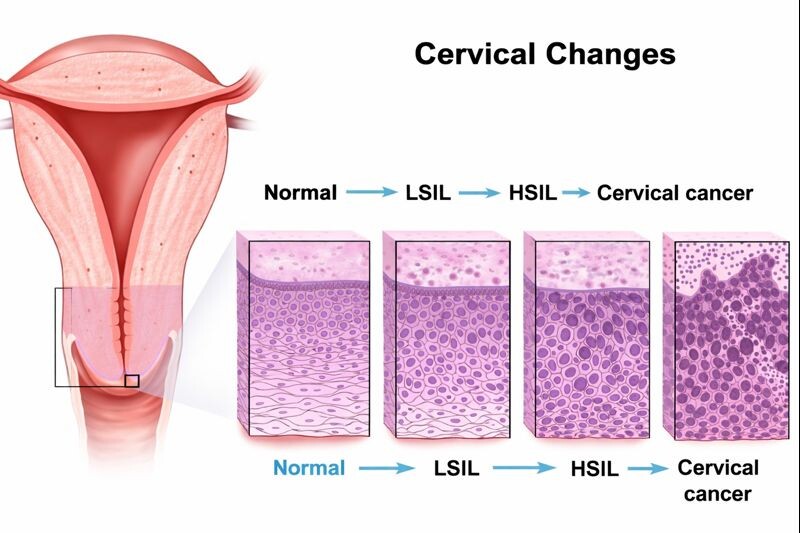
At Medex Diagnostic and Treatment Center, we guide you to the right specialist based on where the abnormality was found:
Our team coordinates follow-up testing, biopsies, HPV testing, imaging, and treatment—all in one place, with a clear plan and no guesswork.
An epithelial cell abnormality is a signal to look closer, not a diagnosis to panic over. With early evaluation and the right specialist, most causes are fully manageable.
📍 Concerned about an abnormal test result?
Book an appointment at Medex Diagnostic and Treatment Center and get clarity fast—from trusted specialists, under one roof.
What does “epithelial cell abnormality” mean on a report?
It means some surface-lining cells look different than usual under a microscope. This can be due to infection, inflammation, hormonal changes, or early precancerous changes—and does not automatically mean cancer.
Is an epithelial cell abnormality cancer?
Most of the time, no. Many abnormalities are benign or low-grade and simply require monitoring or minor treatment. Your doctor determines next steps based on the cell type and severity.
What causes epithelial cell abnormalities?
Common causes include HPV, other infections, inflammation, irritation, smoking, hormonal shifts (pregnancy/menopause), or normal cell repair. Less commonly, they can reflect precancerous or cancerous changes.
Which test usually finds this?
It’s often found on a Pap smear (cervical cells), but can also appear in urine tests, skin biopsies, endoscopies, or lung samples, depending on symptoms and screening.
Do I need more tests?
Sometimes. Your doctor may recommend repeat testing, HPV testing, colposcopy, biopsy, or imaging—depending on where the abnormality was found and how atypical the cells look.
Can epithelial cell abnormalities go away on their own?
Yes. Many low-grade changes—especially those related to inflammation or HPV—resolve naturally with time and follow-up.
Which doctor should I see?
It depends on location:
Where can I get evaluated quickly?
At Medex Diagnostic and Treatment Center, specialists coordinate follow-up testing and treatment in one place—so you get clear answers fast.
When should I worry?
If the report mentions high-grade changes, persistent abnormalities, or you have symptoms like abnormal bleeding, pain, or unexplained weight loss, schedule evaluation promptly.
Continue reading: How Hormones Impact Your Ability to Lose Weight, Vibration Plate Benefits, Mewing Before and After
Medex is a multi-specialty clinic with 24-hour urgent care, primary care, and more than 30 board-certified specialists, including podiatry, cardiology, dermatology, pain management, gynecology, and physical therapy. Each department works under one roof for seamless referrals.
Yes. Every Medex doctor is board-certified in their specialty, undergoes peer review, and participates in ongoing CME (continuing medical education). Credentials are listed on our Meet the Doctors page.
Absolutely. Our Queens urgent care clinic is open for walk-in patients with minor injuries or sudden illnesses. You can also save time by reserving a same-day slot online.
Medex accepts all major commercial carriers plus Medicare, Medicaid, HIP, EmblemHealth, MetroPlus, Fidelis, and GHI. For specific coverage questions, call (718) 275-8900 or visit our Insurance page.
Use our secure online booking portal, call (718) 275-8900, or log in to the Patient Portal to reschedule.
Yes—most primary care and follow-up visits can be conducted via HIPAA-compliant video. Sign the Telemedicine Consent Form and choose “Virtual” when booking.
Yes. Our No-Fault Doctor Queens team handles car- accident injuries, and our Workers’ Comp Clinic manages job-related injuries and paperwork.
We’re at 111-29 Queens Blvd, Forest Hills, NY 11375—steps from the Forest Hills–71 Av subway station (E, F, M, R lines). A paid garage is next door and metered street parking surrounds the building.
We follow HIPAA privacy rules, store EHR data on encrypted servers, and require two-factor authentication for staff access. You may request records through our ChartRequest portal.
Adults in good health should schedule an annual physical. Patients managing chronic conditions may need follow-ups every 3–6 months; your doctor will advise a personalized schedule.
For safety, we require an active chart and a visit within the past 12 months (3 months for controlled substances). Ask your pharmacy to send an electronic refill request or message us through the Patient Portal.
Last reviewed: June 1, 2025.
Medex Diagnostic and Treatment Center
Coronavirus Disease (Covid19 IgG/IgM) FDA-approved rapid antibody tests, COVID-19, and Flu vaccine are now available at MEDEX medical office.