
111-29 Queens Blvd, Forest Hills, NY 11375
111-29 Queens Blvd, Forest Hills, NY 11375


Changes in stool color can be alarming. Dark stool, in particular, raises many questions. Is it a dietary issue or something more serious? Understanding the reasons behind these changes is crucial.
Dark stool can result from various factors. Some are harmless, like diet or supplements. Others, however, may indicate underlying health conditions.
This article explores the causes of dark stool. We will discuss dietary influences, medications, and potential health concerns. Knowing when to seek medical advice is essential.
By understanding these factors, you can better assess your health. Stay informed and proactive about your digestive well-being.
Stool color can vary widely and change for many reasons. Normal stool is usually brown due to bile produced in the liver. However, variations can occur based on diet, health, and digestion speed.
Common stool color changes and their meanings include:
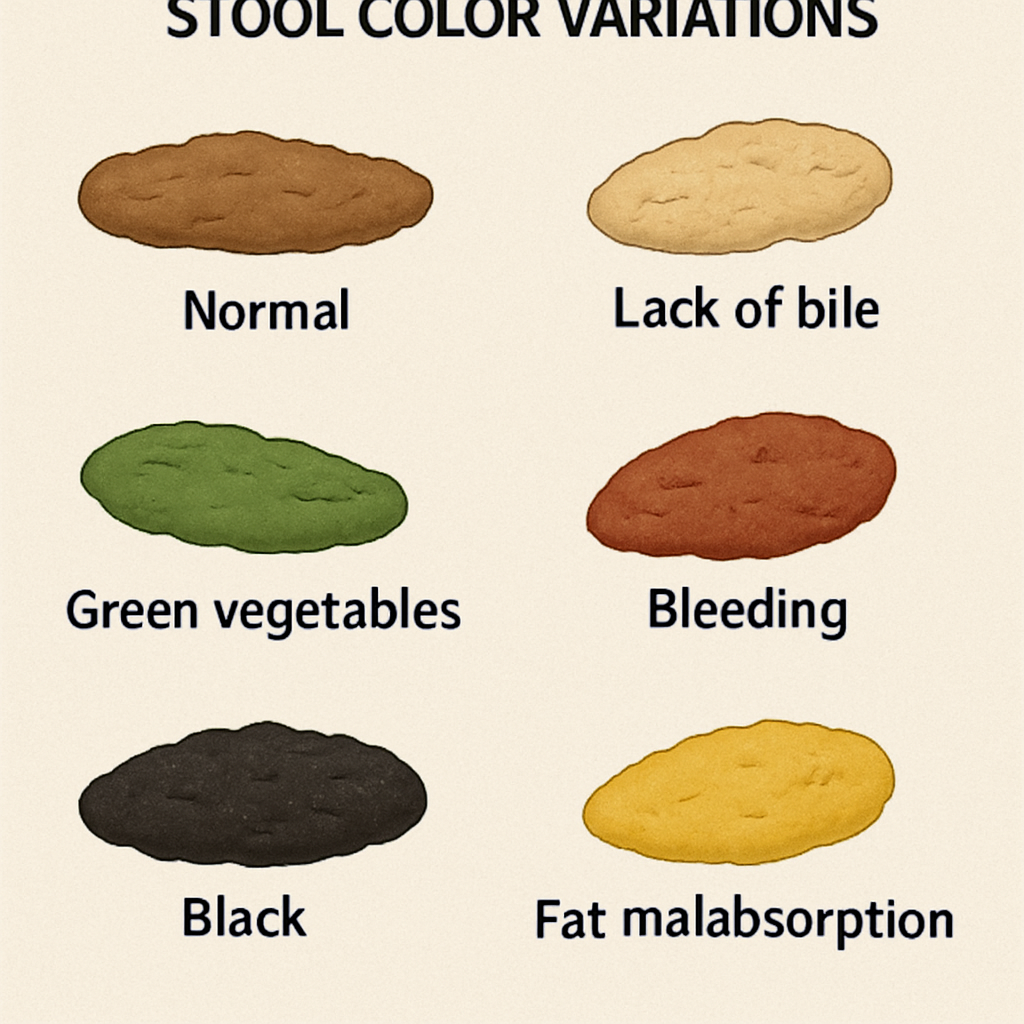
Bile gives stool its color, but transit speed affects the shade. Rapid transit can prevent complete bile breakdown, leading to lighter colors. Persistent color changes warrant attention. Identifying these changes helps you monitor digestive health effectively.
Dark stool can be alarming, but it isn’t always a cause for panic. Various factors contribute to this condition, ranging from benign to serious.
Here are common causes of dark stool:
Foods rich in iron, like red meats and spinach, can darken stool. Similarly, certain medications influence stool color and can mimic more serious conditions. Understanding these connections is key to interpreting dark stool accurately.
Gastrointestinal issues often stand out among the causes. Bleeding from the upper GI tract can lead to a tarry appearance, known as melena. Prompt investigation by a healthcare provider is crucial for persistent cases. Being aware of these causes ensures proactive steps in managing digestive health.
Diet plays a significant role in stool color changes. Consuming iron-rich foods or supplements can make stool appear darker. Green vegetables and certain berries can also affect stool shades.
Significant dietary contributors include:
Iron supplements, in particular, are known for causing black stools. When your diet is the cause, stools should normalize once the dietary elements are reduced. It’s important not to overlook other factors while assessing dietary impacts. Identifying these links helps differentiate between benign and serious stool changes.
Medications are common culprits in changing stool color. Certain drugs can lead to dark stools, resembling those caused by more severe health issues.
Key medications that cause stool darkening include:
Bismuth subsalicylate, commonly found in medication for upset stomachs, may result in black stools. This discoloration is usually harmless. However, it’s important to distinguish between drug effects and other potential causes.
Gastrointestinal bleeding is a serious cause of dark stool. This occurs when bleeding happens in the stomach or upper intestines, altering stool color.
Conditions linked to GI bleeding include:
Melena, characterized by black, tarry stools, often signifies bleeding in the upper GI tract. Accompanying symptoms like dizziness or abdominal pain require immediate medical attention.
Prompt detection and treatment can mitigate severe health consequences. Understanding the link between dark stool and GI bleeding helps prioritize medical intervention. Always consult a healthcare professional if dark stools persist or accompany concerning symptoms.
Dark green stool is often linked to dietary choices or rapid digestion. Eating large amounts of leafy greens like spinach or food with green dyes can result in this color change. In these cases, the color typically normalizes quickly.
Other factors that may cause dark green stool include:
In some cases, stool may turn green if it moves too quickly through the intestines. This rapid transit can prevent bile from fully breaking down, leading to a greenish hue. Monitoring your diet and digestion rate can help discern the cause.
Dark stool often comes with other symptoms that signal potential health issues. These symptoms help differentiate between benign and serious causes.
Key symptoms to monitor include:
Tracking these symptoms can provide valuable insights. If any are present alongside dark stool, it may indicate a more serious condition that warrants attention. Always consult a healthcare professional if unsure.
Dark stool can be alarming, but not always dangerous. It’s crucial to know when to consult a doctor.
Seek immediate medical advice if dark stool is persistent or coupled with severe symptoms. Waiting can sometimes worsen underlying issues.
Consider reaching out for professional help if you notice the following:
These signs might indicate a need for prompt medical evaluation to prevent complications.
When dark stool persists, doctors can perform various tests to find the cause. Understanding stool color changes often involves examining dietary habits and symptoms.
A healthcare provider may recommend tests, such as:
These tests help pinpoint the issue and guide treatment.
Regular stool monitoring can prevent potential health issues. Keep these tips in mind:
If you’re concerned about the color of your stool, the best type of doctor to see is a gastroenterologist.
A gastroenterologist specializes in diseases and conditions of the digestive system — including the stomach, intestines, liver, gallbladder, and pancreas — all of which can affect stool color and consistency.
However, depending on your symptoms, here’s what you can do first:
Medex is a multi-specialty clinic with 24-hour urgent care, primary care, and more than 30 board-certified specialists, including podiatry, cardiology, dermatology, pain management, gynecology, and physical therapy. Each department works under one roof for seamless referrals.
Yes. Every Medex doctor is board-certified in their specialty, undergoes peer review, and participates in ongoing CME (continuing medical education). Credentials are listed on our Meet the Doctors page.
Absolutely. Our Queens urgent care clinic is open for walk-in patients with minor injuries or sudden illnesses. You can also save time by reserving a same-day slot online.
Medex accepts all major commercial carriers plus Medicare, Medicaid, HIP, EmblemHealth, MetroPlus, Fidelis, and GHI. For specific coverage questions, call (718) 275-8900 or visit our Insurance page.
Use our secure online booking portal, call (718) 275-8900, or log in to the Patient Portal to reschedule.
Yes—most primary care and follow-up visits can be conducted via HIPAA-compliant video. Sign the Telemedicine Consent Form and choose “Virtual” when booking.
Yes. Our No-Fault Doctor Queens team handles car- accident injuries, and our Workers’ Comp Clinic manages job-related injuries and paperwork.
We’re at 111-29 Queens Blvd, Forest Hills, NY 11375—steps from the Forest Hills–71 Av subway station (E, F, M, R lines). A paid garage is next door and metered street parking surrounds the building.
We follow HIPAA privacy rules, store EHR data on encrypted servers, and require two-factor authentication for staff access. You may request records through our ChartRequest portal.
Adults in good health should schedule an annual physical. Patients managing chronic conditions may need follow-ups every 3–6 months; your doctor will advise a personalized schedule.
For safety, we require an active chart and a visit within the past 12 months (3 months for controlled substances). Ask your pharmacy to send an electronic refill request or message us through the Patient Portal.
Last reviewed: June 1, 2025.
Medex Diagnostic and Treatment Center
Coronavirus Disease (Covid19 IgG/IgM) FDA-approved rapid antibody tests, COVID-19, and Flu vaccine are now available at MEDEX medical office.