
111-29 Queens Blvd, Forest Hills, NY 11375
111-29 Queens Blvd, Forest Hills, NY 11375


Pharyngitis is the medical term for a sore throat caused by inflammation of the pharynx, the tube that connects your mouth and nasal passages to your esophagus and larynx. It’s usually the result of a viral or bacterial infection and leads to symptoms such as pain, redness, swelling, and difficulty swallowing.
The most common bacterial cause is Group A Streptococcus (strep throat), while most other cases are viral. Pharyngitis can affect anyone and often develops after exposure to someone with a cold, flu, or throat infection.
In simple terms, pharyngitis = sore, inflamed throat, often caused by germs that irritate the lining of your throat.
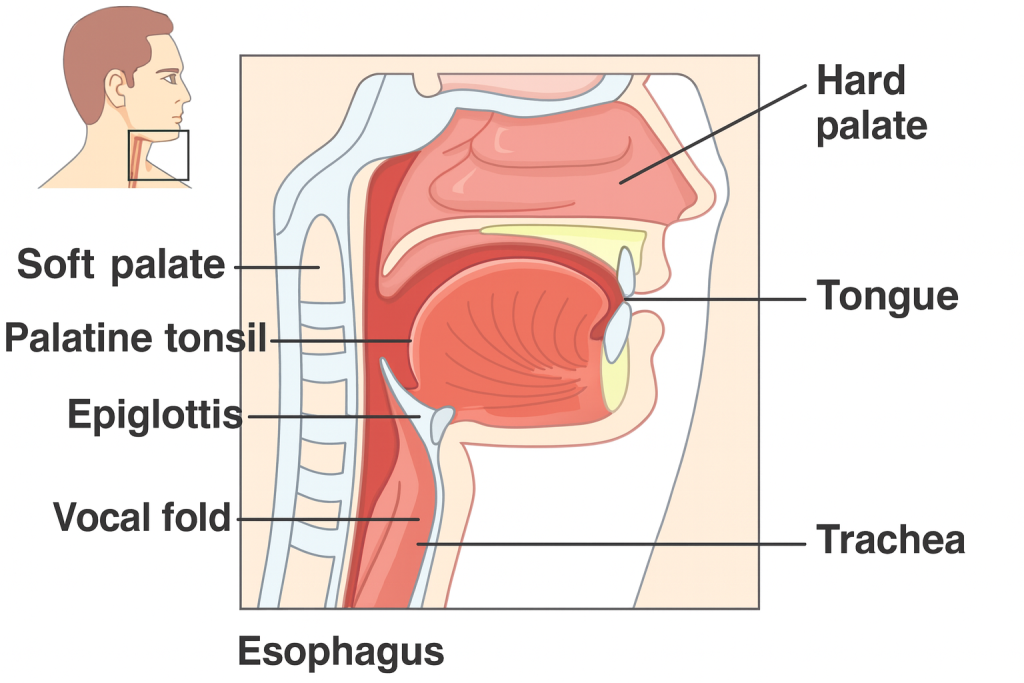
Pharyngitis occurs when the tissues in the back of the throat, known as the pharynx, become inflamed and swollen. This area sits between your tonsils and your voice box (larynx) and plays an important role in breathing and swallowing.
Most sore throats develop from viral infections, such as the common cold, flu, coxsackie virus, or mononucleosis (mono). These viral cases usually clear up on their own within a few days.
In some cases, bacteria can cause pharyngitis. The most frequent bacterial infection is strep throat, caused by Group A Streptococcus. Less commonly, sexually transmitted infections like gonorrhea and chlamydia can also lead to a sore throat.
Pharyngitis tends to be more common during cold weather months, when people spend more time indoors and infections spread easily among family members and close contacts.
The main symptom is a sore throat.
Other symptoms may include:
Your healthcare provider will begin with a physical examination, carefully checking your throat for redness, swelling, or white patches.
To determine the cause, your provider may perform a rapid strep test or take a throat culture to check for Group A Streptococcus bacteria. Depending on your symptoms and medical history, additional lab tests may be ordered to rule out other infections or underlying conditions.
If you’ve been exposed to HIV and are experiencing a sore throat, it’s important to get tested for HIV as part of your evaluation. Early testing ensures proper care and peace of mind.
At Medex Diagnostic & Treatment Center in Queens, NY, our experienced providers understand how uncomfortable a sore throat can be, whether it’s caused by a viral infection, bacteria, or another underlying condition.
Most sore throats are viral, meaning antibiotics are not effective and may even reduce their effectiveness when truly needed in the future. However, when a bacterial infection is confirmed, antibiotics play a crucial role in recovery.
Your provider may prescribe antibiotics if:
While your body recovers, these steps can help soothe irritation and speed healing:
If your sore throat lasts more than a few days, or you experience fever, swollen glands, or trouble swallowing, schedule an appointment at Medex Diagnostic & Treatment Center. Our team provides same-day appointments and comprehensive testing to quickly identify the cause and deliver the right treatment.
Complications may include:
Ever had a sore throat so painful it feels like you’ve swallowed sandpaper? That burning, scratchy sensation can make even a sip of water uncomfortable. What you’re likely dealing with is pharyngitis — the medical term for inflammation of the pharynx, the area in the back of your throat between your tonsils and voice box.
When viruses or bacteria invade this area, they can make your throat red, swollen, and tender. Depending on what caused it, pharyngitis may go away on its own or require treatment.
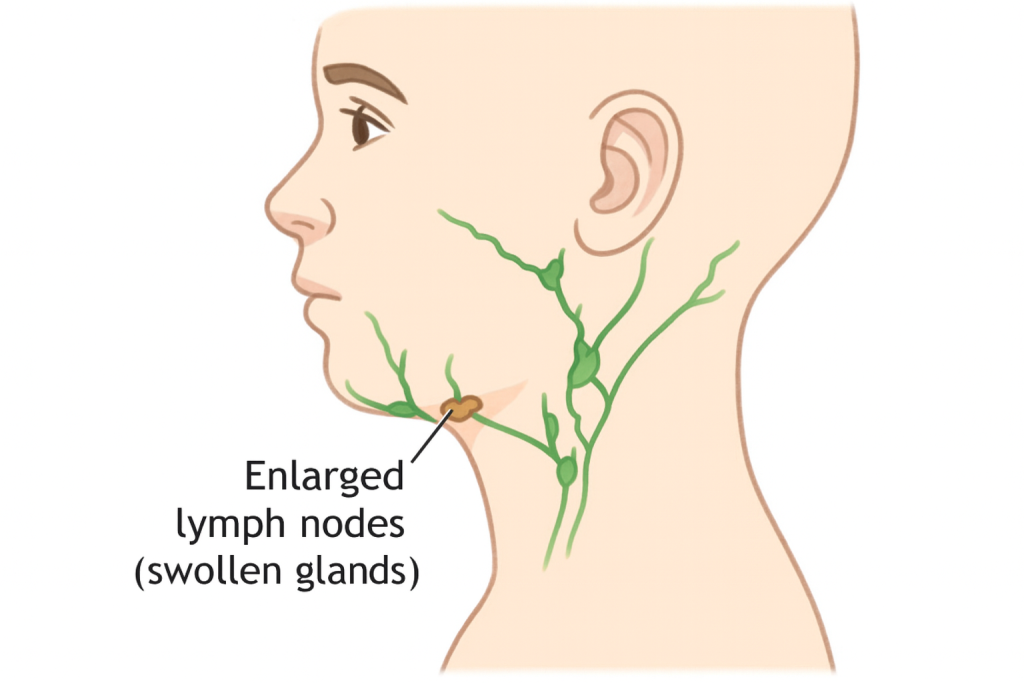
The most frequent culprit behind a sore throat is an infection, either viral or bacterial.
If your throat looks red, swollen, or covered with white spots, it’s time to see a doctor. You might also notice:
Your provider may perform a quick throat swab test (called a throat culture) to check for strep bacteria. If it’s positive, antibiotics can clear the infection and help prevent complications.
If your sore throat is viral, the best medicine is rest and comfort care while your body fights it off.
While you recover, try these home remedies to ease the pain:
If your throat feels extremely raw, avoid spicy or acidic foods and focus on gentle hydration — water, herbal teas, or broths.
Most sore throats clear up in a few days. But call your doctor if you experience:
Stay home until you’ve been fever-free for at least 24 hours to avoid spreading germs to others.
A sore throat can be caused by many things, from a mild viral infection to strep throat that needs antibiotics. While most cases improve with rest, fluids, and simple care, a doctor’s visit is the safest way to confirm the cause, especially if symptoms worsen.
What is pharyngitis?
Pharyngitis is inflammation of the pharynx — the back of the throat — often causing pain, irritation, and difficulty swallowing.
What causes a sore throat?
Most sore throats are caused by viral infections such as colds or the flu, while others may result from bacterial infections like strep throat.
Is pharyngitis contagious?
Yes. Viral and bacterial pharyngitis can spread through coughing, sneezing, or close contact with an infected person.
What are common symptoms of pharyngitis?
Symptoms include throat pain, redness, swollen glands, fever, headache, and difficulty swallowing.
How can I tell if my sore throat is viral or bacterial?
A healthcare provider can perform a rapid strep test or throat culture to confirm if bacteria are present.
Can allergies cause a sore throat?
Yes. Allergies and postnasal drip can irritate the throat and cause mild soreness.
When should I see a doctor for a sore throat?
You should seek medical care if your sore throat lasts more than a few days, is severe, or comes with fever, rash, or trouble swallowing.
How is strep throat different from pharyngitis?
Strep throat is a specific type of bacterial pharyngitis caused by Group A Streptococcus bacteria.
Can antibiotics treat all sore throats?
No. Antibiotics only work for bacterial infections, not viral ones.
What tests can diagnose pharyngitis at Medex DTC?
Our providers may perform a physical exam, rapid strep test, throat culture, or additional lab tests if another infection is suspected.
What treatments are available for pharyngitis?
Treatment may include antibiotics for bacterial cases or supportive care — rest, hydration, salt-water gargles, and pain relievers — for viral cases.
Can the flu cause a sore throat?
Yes. The influenza virus often causes sore throat along with body aches, fever, and fatigue.
What home remedies help relieve a sore throat?
Drinking warm tea with honey, gargling salt water, using a humidifier, and resting your voice can ease discomfort.
Can pharyngitis cause swollen lymph nodes?
Yes. Infections can cause nearby lymph nodes in the neck to become swollen and tender.
Is pharyngitis common in children?
Yes. Children are more likely to develop sore throats due to frequent viral infections and exposure in schools.
How long does pharyngitis last?
Viral pharyngitis usually clears up in 3–7 days. Bacterial infections improve after starting antibiotics.
Can smoking cause or worsen a sore throat?
Yes. Smoking or exposure to secondhand smoke irritates throat tissues and delays healing.
Can pharyngitis lead to complications?
If untreated, bacterial infections like strep throat can cause complications such as tonsillitis or rheumatic fever.
What can I do to prevent sore throats?
Wash your hands often, avoid sharing utensils, stay hydrated, and keep your immune system strong.
Where can I get treatment for pharyngitis in Queens, NY?
Visit Medex Diagnostic & Treatment Center in Forest Hills, Queens, for expert evaluation, testing, and same-day care for sore throat and related conditions.
Learn more about: dermatology queens blvd, gastroenterology queens, endocrinologist queens, annual physical exam near me.
Medex is a multi-specialty clinic with 24-hour urgent care, primary care, and more than 30 board-certified specialists, including podiatry, cardiology, dermatology, pain management, gynecology, and physical therapy. Each department works under one roof for seamless referrals.
Yes. Every Medex doctor is board-certified in their specialty, undergoes peer review, and participates in ongoing CME (continuing medical education). Credentials are listed on our Meet the Doctors page.
Absolutely. Our Queens urgent care clinic is open for walk-in patients with minor injuries or sudden illnesses. You can also save time by reserving a same-day slot online.
Medex accepts all major commercial carriers plus Medicare, Medicaid, HIP, EmblemHealth, MetroPlus, Fidelis, and GHI. For specific coverage questions, call (718) 275-8900 or visit our Insurance page.
Use our secure online booking portal, call (718) 275-8900, or log in to the Patient Portal to reschedule.
Yes—most primary care and follow-up visits can be conducted via HIPAA-compliant video. Sign the Telemedicine Consent Form and choose “Virtual” when booking.
Yes. Our No-Fault Doctor Queens team handles car- accident injuries, and our Workers’ Comp Clinic manages job-related injuries and paperwork.
We’re at 111-29 Queens Blvd, Forest Hills, NY 11375—steps from the Forest Hills–71 Av subway station (E, F, M, R lines). A paid garage is next door and metered street parking surrounds the building.
We follow HIPAA privacy rules, store EHR data on encrypted servers, and require two-factor authentication for staff access. You may request records through our ChartRequest portal.
Adults in good health should schedule an annual physical. Patients managing chronic conditions may need follow-ups every 3–6 months; your doctor will advise a personalized schedule.
For safety, we require an active chart and a visit within the past 12 months (3 months for controlled substances). Ask your pharmacy to send an electronic refill request or message us through the Patient Portal.
Last reviewed: June 1, 2025.
Medex Diagnostic and Treatment Center
Coronavirus Disease (Covid19 IgG/IgM) FDA-approved rapid antibody tests, COVID-19, and Flu vaccine are now available at MEDEX medical office.