
111-29 Queens Blvd, Forest Hills, NY 11375
111-29 Queens Blvd, Forest Hills, NY 11375


Saline is sterile salt water (usually 0.9% sodium chloride) that matches your body’s natural fluid balance. It helps hydrate, maintain blood volume, flush IV lines, clean wounds, and moisturize/clear nasal passages during colds, allergies, or sinus irritation. Because it’s isotonic, it’s gentler and safer for tissues than plain water.
Saline is one of the most commonly used medical solutions in the world, but many people don’t fully understand what saline does or why doctors use it so often. From IV fluids in hospitals to nasal sprays at home, saline plays a crucial role in hydration, healing, and maintaining the body’s natural balance.
This guide explains what saline is, what it does, how it works, and why it’s used in medical care and everyday health.
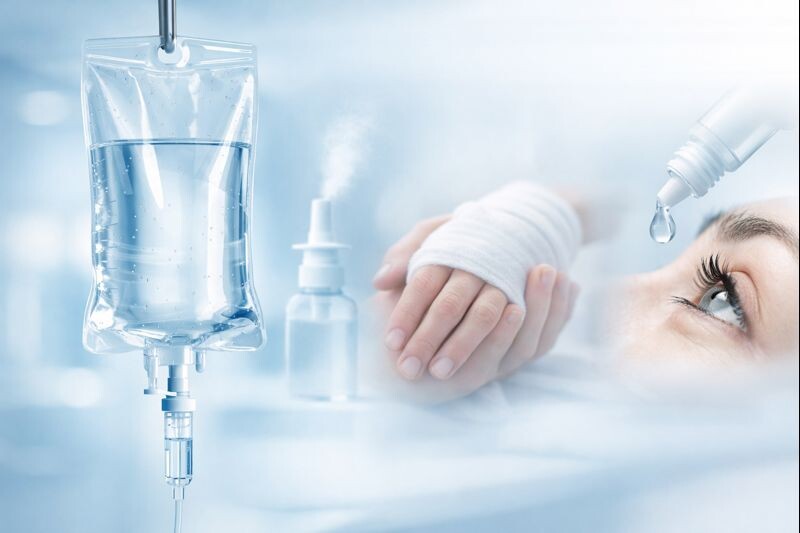
Saline is a sterile solution of salt (sodium chloride) and water. The most common medical form is 0.9% saline, also known as normal saline, which closely matches the salt concentration of human blood and bodily fluids.
Because it mirrors the body’s natural chemistry, saline is safe, gentle, and widely used in healthcare.
Saline helps the body in several essential ways:
Saline helps replace lost fluids and keeps cells properly hydrated. This is especially important during illness, dehydration, or after surgery.
When given intravenously (IV), saline helps maintain blood volume, ensuring oxygen and nutrients circulate efficiently throughout the body.
The sodium in saline helps regulate nerve function, muscle movement, and blood pressure.
Saline is commonly used to clean wounds, flush catheters, rinse sinuses, and irrigate eyes without irritating sensitive tissues.
Saline is often used in hospitals to:
Saline nasal sprays or rinses help:
Saline is used to:
Sterile saline is used to:
Water alone can damage cells when used inside the body or directly on tissues. Saline is isotonic, meaning it has the same salt concentration as bodily fluids, so it:
This makes saline far more effective and safer than plain water in medical settings.
Seek urgent medical care if you have:
If you’re in Queens, NYC (Forest Hills and nearby neighborhoods), our doctors can evaluate dehydration, sinus issues, and infections and advise whether you need IV fluids, testing, or treatment.
| Type | Purpose |
|---|---|
| Normal Saline (0.9%) | Hydration, IV fluids, wound care |
| Hypertonic Saline | Reduces swelling, treats severe sodium imbalance |
| Hypotonic Saline | Used in specific medical conditions under supervision |
Most everyday and hospital uses involve normal saline.
Yes—saline is extremely safe when used properly. However:
While both contain salt, they are not the same:
Medical saline is always preferred for health and clinical use.
You may need saline if you:
If symptoms are severe or persistent, medical evaluation is recommended.
Saline IV fluids hydrate the body, maintain blood pressure, and deliver medications safely.
Saline doesn’t directly reduce inflammation, but it cleans tissues and supports healing, which may ease irritation.
Yes. Saline nasal rinses help flush mucus, bacteria, and allergens, improving sinus drainage.
No. Saline contains sodium chloride diluted in water, not pure sodium.
Yes. Nasal saline sprays and rinses are safe for daily use.
Saline is a simple but powerful solution that hydrates, cleans, protects, and stabilizes the body. Its ability to closely match natural body fluids makes it essential in medical care—from IV hydration to sinus relief and wound cleaning.
If you’ve ever wondered what does saline do, the answer is clear: it helps the body function safely and efficiently when hydration, balance, and cleanliness matter most.
Medex is a multi-specialty clinic with 24-hour urgent care, primary care, and more than 30 board-certified specialists, including podiatry, cardiology, dermatology, pain management, gynecology, and physical therapy. Each department works under one roof for seamless referrals.
Yes. Every Medex doctor is board-certified in their specialty, undergoes peer review, and participates in ongoing CME (continuing medical education). Credentials are listed on our Meet the Doctors page.
Absolutely. Our Queens urgent care clinic is open for walk-in patients with minor injuries or sudden illnesses. You can also save time by reserving a same-day slot online.
Medex accepts all major commercial carriers plus Medicare, Medicaid, HIP, EmblemHealth, MetroPlus, Fidelis, and GHI. For specific coverage questions, call (718) 275-8900 or visit our Insurance page.
Use our secure online booking portal, call (718) 275-8900, or log in to the Patient Portal to reschedule.
Yes—most primary care and follow-up visits can be conducted via HIPAA-compliant video. Sign the Telemedicine Consent Form and choose “Virtual” when booking.
Yes. Our No-Fault Doctor Queens team handles car- accident injuries, and our Workers’ Comp Clinic manages job-related injuries and paperwork.
We’re at 111-29 Queens Blvd, Forest Hills, NY 11375—steps from the Forest Hills–71 Av subway station (E, F, M, R lines). A paid garage is next door and metered street parking surrounds the building.
We follow HIPAA privacy rules, store EHR data on encrypted servers, and require two-factor authentication for staff access. You may request records through our ChartRequest portal.
Adults in good health should schedule an annual physical. Patients managing chronic conditions may need follow-ups every 3–6 months; your doctor will advise a personalized schedule.
For safety, we require an active chart and a visit within the past 12 months (3 months for controlled substances). Ask your pharmacy to send an electronic refill request or message us through the Patient Portal.
Last reviewed: March 22, 2026.
Medex Diagnostic and Treatment Center
Coronavirus Disease (Covid19 IgG/IgM) FDA-approved rapid antibody tests, COVID-19, and Flu vaccine are now available at MEDEX medical office.