
111-29 Queens Blvd, Forest Hills, NY 11375
111-29 Queens Blvd, Forest Hills, NY 11375


A stomach bug (viral gastroenteritis) is an infection of the stomach and intestines that commonly causes watery diarrhea, nausea, vomiting, stomach cramps, and sometimes fever. Most cases improve in 1–3 days with hydration and rest. Seek medical care for dehydration, blood in stool, severe pain, or symptoms lasting over 48 hours.
A stomach bug can strike suddenly, causing nausea, vomiting, watery diarrhea, abdominal cramps, and exhaustion. One moment you feel fine, and a few hours later, you may find yourself unable to keep food or fluids down.
A stomach bug, medically known as viral gastroenteritis, is an infection that causes inflammation of the stomach and intestines. Common symptoms include diarrhea, vomiting, nausea, stomach cramps, and sometimes fever. Several viruses can cause gastroenteritis, including norovirus, rotavirus, adenovirus, and astrovirus. Norovirus is a leading cause of acute gastroenteritis in the United States.
Unlike influenza, which primarily affects the respiratory system, a stomach bug affects the gastrointestinal tract.
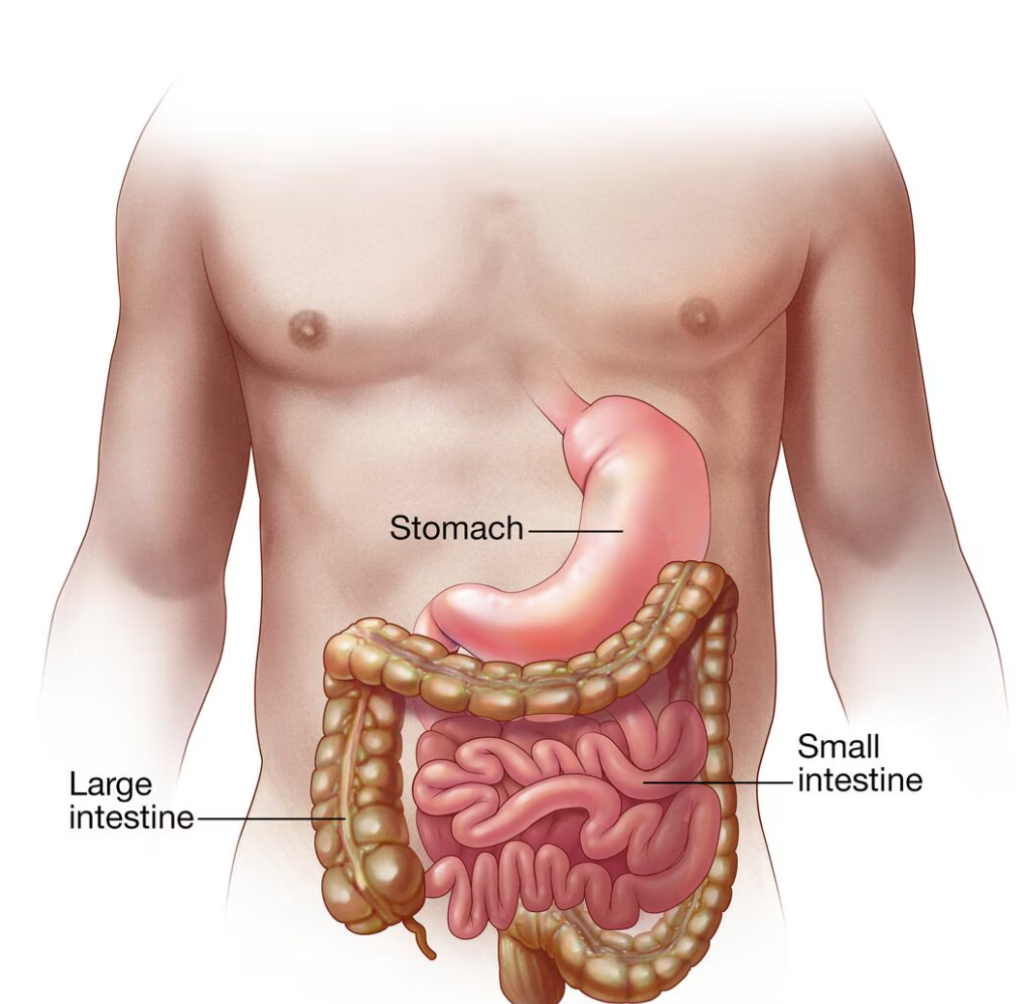
Stomach bugs spread through contaminated food or water, infected surfaces, and close contact with someone who is sick. They can spread rapidly in households, schools, daycare centers, cruise ships, and nursing homes.
If you’re in Queens, NY, Medex Diagnostic & Treatment Center primary care doctors can evaluate persistent symptoms, dehydration risk, and “red flags” that might mean it’s not a viral stomach bug.
Most otherwise healthy adults recover at home within a few days. But stomach bugs can still be dangerous because the biggest risk isn’t the virus itself, it’s dehydration and electrolyte imbalance, especially for kids, older adults, pregnant patients, and anyone with a weakened immune system.
Some people first notice an unsettled stomach, sudden nausea, loss of appetite, or abdominal discomfort. Others begin vomiting or develop diarrhea without much warning.
The incubation period depends on the virus. With norovirus, symptoms typically appear 12–48 hours after exposure.
Yes. Some people experience diarrhea and abdominal cramps without vomiting, while others primarily experience nausea and vomiting. Symptoms vary by the virus, age, and individual immune response.
The term stomach bug frequently refers to norovirus, especially during seasonal outbreaks. However, not every case of vomiting or diarrhea is caused by norovirus, and symptoms alone cannot identify the exact pathogen.
According to the CDC’s NoroSTAT update published September 17, 2026:
These figures do not indicate an unusually severe nationwide outbreak at the start of the season. However, surveillance covers participating states and reported outbreaks, not every individual infection.
CDC
+1
Norovirus continues to circulate in New York. The CDC’s CaliciNet update dated October 9, 2026, reports seven confirmed norovirus outbreaks submitted from New York for the September 2025–September 2026 reporting period.
This figure is not the total number of people infected in New York, nor does it establish the current number of active outbreaks in New York City.
CDC
Norovirus has multiple genetic types, and infection with one type does not guarantee protection against another. That means you can catch norovirus more than once, even within the same year.
Public health laboratories track circulating strains to understand how norovirus changes over time and whether new variants contribute to outbreaks.
For the most recent information, visit the CDC Norovirus Surveillance Dashboard.
Most norovirus infections resolve within 24–72 hours, but some viral gastrointestinal infections last longer.
| Cause | Typical symptom duration |
|---|---|
| Norovirus | 1–3 days |
| Rotavirus | 3–8 days |
| Enteric adenovirus | 5–12 days |
| Astrovirus | 2–4 days |
| Sapovirus | Approximately 1–4 days |
These are approximate ranges, not diagnostic rules. The duration can vary by age, immune status, and infection severity.
Illustrative timeline for uncomplicated norovirus infection; individual recovery varies.
Yes. Although norovirus generally resolves quickly, other viruses can cause symptoms lasting a week or longer. Persistent diarrhea may also result from bacterial infections, parasites, medication side effects, or other digestive conditions.
If symptoms are not improving after several days, or you develop fever, blood in the stool, dehydration, or significant pain, contact a healthcare professional.
Stomach bugs and food poisoning share many symptoms, but their causes are not always the same.
Food poisoning describes illness caused by contaminated food. It may be due to bacteria, bacterial toxins, parasites, or viruses—including norovirus.
| Feature | Viral stomach bug | Food poisoning |
|---|---|---|
| Cause | Viruses such as norovirus | Bacteria, toxins, viruses, or parasites |
| Onset | Norovirus: 12–48 hours | Can range from 30 minutes to several days |
| Vomiting | Common | Common with certain causes |
| Diarrhea | Usually watery | Watery or sometimes bloody |
| Fever | Sometimes | Depends on cause |
| Duration | Often 1–3 days for norovirus | Hours to days, sometimes longer |
| Transmission | Person-to-person, food, surfaces | Primarily contaminated food; some infections also spread between people |
Important: You cannot reliably distinguish a stomach virus from food poisoning based on symptoms alone.
If multiple people develop similar symptoms after eating the same meal, a foodborne outbreak is possible. However, the timing matters.
Some foodborne toxins cause symptoms within hours, while norovirus and certain bacterial infections take longer.
Seek medical advice if symptoms are severe, and consider reporting suspected foodborne illness to your local health department.
There is no medication that directly cures norovirus. Treatment focuses on preventing dehydration, replacing lost electrolytes, and allowing the digestive system to recover.
1. Replace fluids and electrolytes
Oral rehydration is the most important treatment for a stomach bug.
Vomiting and diarrhea cause your body to lose water and electrolytes such as sodium and potassium.
Try:
For children, use an age-appropriate oral rehydration solution. Avoid relying on soda, juice, or sports drinks to treat significant diarrhea, particularly in young children.
If vomiting makes drinking difficult, try a small sip every minute or two, increasing gradually as tolerated.
You do not need to fast until all symptoms disappear. Resume eating as tolerated.
Foods that may be easier to digest include:
The traditional BRAT diet (bananas, rice, applesauce, toast) can provide temporary comfort but is not nutritionally complete. Return to a balanced diet as soon as you can tolerate it.
Avoid foods that clearly worsen your symptoms. Some people temporarily have trouble digesting lactose after gastroenteritis.
Vomiting, diarrhea, and reduced food intake can cause fatigue. Avoid strenuous exercise until you are eating, drinking, and urinating normally.
Some adults may benefit from medications to control symptoms, but they are not appropriate for everyone.
Antibiotics do not treat viral stomach bugs and should not be taken unless a bacterial infection requiring treatment has been identified or is strongly suspected.
Norovirus is extremely contagious, and people can spread it even after they begin feeling better.
You are generally most contagious while experiencing vomiting or diarrhea and during the first few days after recovery.
The CDC recommends staying home and avoiding food preparation or caring for others for at least 48 hours after symptoms stop.
Norovirus can remain detectable in stool for two weeks or longer after recovery, so careful handwashing remains important even when you feel well.
CDC
Yes. People can shed norovirus before they feel sick and after symptoms resolve.
The virus can spread through:
2026 prevention reminder: Alcohol-based hand sanitizer alone does not work well against norovirus. Soap and water remain the preferred method of hand hygiene.
CDC
Most stomach bugs resolve without medical treatment, but some symptoms require urgent evaluation.
Warning signs that need immediate attention
Seek emergency medical care for:
Contact a healthcare professional promptly if you cannot keep fluids down, have persistent vomiting or diarrhea, experience high fever, or have symptoms that are worsening rather than improving.
Children can become dehydrated more quickly than adults.
Contact a pediatrician promptly if a child has:
Any infant younger than three months with a temperature of 100.4°F (38°C) or higher needs immediate medical evaluation.
Pregnant patients should contact their obstetric clinician if vomiting or diarrhea makes hydration difficult, symptoms are persistent, or they develop fever, significant abdominal pain, dizziness, or reduced fetal movement when applicable.
Dehydration can be particularly concerning during pregnancy.
Doctors often diagnose uncomplicated viral gastroenteritis based on symptoms, medical history, exposure, and physical examination.
Additional testing may be recommended if you have severe or prolonged symptoms, bloody diarrhea, recent travel, a weakened immune system, or a suspected outbreak.
Tests may include:
Not everyone with a stomach bug needs laboratory testing.
Yes. Norovirus infections do not provide reliable lifelong immunity.
There are many norovirus types, and protection against one may not protect you from another.
Even if you recently recovered, you can develop another gastrointestinal infection caused by a different strain or pathogen.
CDC
There is no instant cure for a viral stomach bug. Oral rehydration, rest, and gradual return to eating help support recovery. Most norovirus infections improve within one to three days.
Yes. Some norovirus infections cause symptoms lasting approximately 24 hours. However, symptoms lasting only one day can also result from foodborne toxins or other conditions.
Norovirus is a specific virus that causes gastroenteritis. Stomach flu is an informal name for gastroenteritis, but influenza does not cause norovirus infection.
The immune system clears the infection. On contaminated surfaces, appropriately diluted bleach solutions or EPA-registered disinfectants effective against norovirus can inactivate the virus. Antibiotics cannot kill norovirus.
Yes. Some infections primarily cause vomiting or nausea. However, persistent vomiting without diarrhea may have another cause and should not automatically be attributed to a stomach virus.
Yes. Norovirus may be shed before symptoms appear. The risk of transmission is greatest during illness and shortly afterward.
Evidence does not consistently show that probiotics shorten acute infectious diarrhea. They are not a substitute for oral rehydration, and certain products may be unsuitable for immunocompromised patients.
Contact a healthcare professional. Persistent or worsening symptoms may indicate dehydration, a bacterial infection, or another condition requiring evaluation.
There are vaccines against rotavirus routinely recommended for infants in the United States. There is no routinely available licensed norovirus vaccine in the U.S. as of October 2026, although vaccine candidates are being investigated.
Yes. Gastroenteritis can cause abdominal cramps and diarrhea without vomiting. Severe, persistent, or localized pain should be evaluated because it may indicate a different condition.
If you live in Queens or the surrounding New York City area and experience persistent vomiting, diarrhea, dehydration, or severe gastrointestinal discomfort, medical evaluation can help determine whether you have viral gastroenteritis or another digestive condition.
At Medex Diagnostic and Treatment Center, healthcare professionals can assess gastrointestinal symptoms, evaluate dehydration risk, and determine whether diagnostic testing, treatment, or referral is appropriate.
Don’t ignore persistent stomach symptoms. Early medical evaluation can help identify complications and rule out other conditions that may require treatment.
Schedule an Appointment at Medex Diagnostic and Treatment Center.
Medical disclaimer: This article is intended for educational and informational purposes only and does not replace professional medical advice, diagnosis, or treatment. Always consult a qualified healthcare professional about symptoms or medical concerns. Seek emergency medical care for severe dehydration, significant bleeding, altered consciousness, or severe abdominal pain.
This content is for educational purposes and does not replace medical advice. If symptoms are severe, worsening, or include blood in stool/vomit, high fever, severe dehydration, or intense abdominal pain, seek urgent medical care.
Medex Diagnostic and Treatment Center
Coronavirus Disease (Covid19 IgG/IgM) FDA-approved rapid antibody tests, COVID-19, and Flu vaccine are now available at MEDEX medical office.