
111-29 Queens Blvd, Forest Hills, NY 11375
111-29 Queens Blvd, Forest Hills, NY 11375


A stomach bug (viral gastroenteritis) is an infection of the stomach and intestines that commonly causes watery diarrhea, nausea, vomiting, stomach cramps, and sometimes fever. Most cases improve in 1–3 days with hydration and rest. Seek medical care for dehydration, blood in stool, severe pain, or symptoms lasting over 48 hours.
If you’re in Queens, NY, Medex Diagnostic & Treatment Center can evaluate persistent symptoms, dehydration risk, and “red flags” that might mean it’s not a viral stomach bug.
Most otherwise healthy adults recover at home within a few days. But stomach bugs can still be dangerous because the biggest risk isn’t the virus itself, it’s dehydration and electrolyte imbalance, especially for kids, older adults, pregnant patients, and anyone with a weakened immune system.
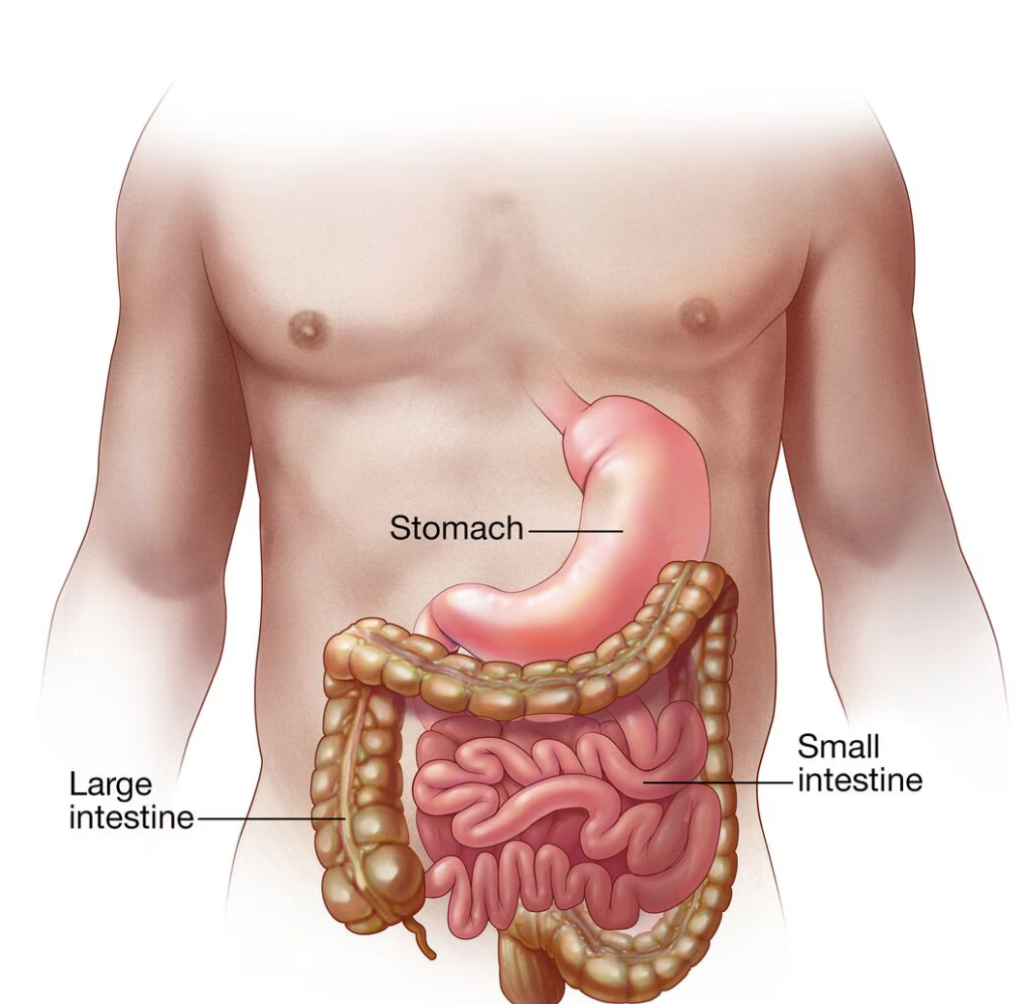
A stomach bug usually means a viral infection of the digestive tract. The most common viruses include:
You typically catch it from:
People describe a stomach bug in very “human” terms. Here are realistic scenarios patients often report:
You went to bed fine, then wake up nauseated with a weird stomach rolling sensation. Within 30–60 minutes you’re vomiting, sweating, and your stomach is cramping. You might think, “This must be something I ate.” It could be, but viral stomach bugs can also start abruptly.
What it feels like:
A child comes home from school and starts vomiting. Two days later, a parent gets it. Another sibling gets diarrhea and fever. That pattern is classic for viruses like norovirus.
What it feels like:
If symptoms start quickly after a meal (especially within a few hours), food poisoning becomes more likely. But in real life, it’s not always obvious—because stomach bugs and food-related illness can overlap.
What it feels like:
Common symptoms include:
Symptoms often start 1–3 days after exposure and typically last 1–3 days, but can occasionally linger up to 1–2 weeks depending on the virus and your immune system.
Let’s be honest: most people want to know if it’s a stomach bug, food poisoning, COVID, or something more serious. While you can’t definitively diagnose viral gastroenteritis at home, you can check clues that help you decide whether you can safely manage it at home or need medical care.
Ask yourself:
Red flag: If you’re barely urinating, very dizzy, or too weak to stand—dehydration may be significant.
If you have a home blood pressure cuff or smartwatch:
If your heart rate jumps dramatically and you feel lightheaded, that can suggest volume depletion (dehydration).
A low-grade fever can happen with stomach bugs. But high fever can be a clue that something else is going on.
Red flag: Adults with fever above 104°F (40°C) should seek care.
Look for:
Red flag: Bloody diarrhea is not typical for a simple viral stomach bug and should be evaluated.
Depending on what else is happening:
If you’re actively vomiting, don’t chug water. That often triggers more vomiting.
Do this instead:
Best fluids:
Avoid early on:
Once vomiting eases and you can keep down fluids, introduce food gradually.
Start with:
Avoid for 24–48 hours:
Your gut is irritated; even normal activities can feel overwhelming.
Helpful basics:
Some people benefit from OTC options, but use them carefully.
If nausea/vomiting is severe or persistent, medical evaluation can help—sometimes prescription anti-nausea medication or IV fluids are needed.
Seek medical care if you notice:
Also consider evaluation if you have risk factors:
If symptoms are severe, prolonged, or unclear, Medex DTC can:
Stomach bugs spread aggressively. If one person is sick, prevention matters.
Very contagious, especially norovirus. It can spread through surfaces and close contact quickly.
If you’re vomiting or have active diarrhea, stay home. Return when symptoms stop and you can hydrate normally.
Dehydration, electrolyte loss, and gut inflammation can cause fatigue for several days.
Most stomach bugs cause sudden nausea, vomiting, watery diarrhea, and cramping, often with mild fever and fatigue. It’s more likely if others around you are sick or there was a known outbreak. If you have bloody diarrhea, severe one-sided pain, or a high fever, get evaluated to rule out other causes.
Symptoms usually start 1–3 days after exposure and commonly last 1–3 days. Some people feel weak or have a sensitive stomach for several days afterward. If vomiting/diarrhea lasts more than 2 days or keeps getting worse, seek medical care.
Yes. Viruses like norovirus spread easily through close contact, contaminated food/water, and touching contaminated surfaces (bathroom handles, phones) then touching your mouth.
There’s no instant cure, but you can recover faster by preventing dehydration: take tiny sips of fluids frequently, use oral rehydration solutions, rest, and eat bland foods only when you can keep fluids down. Avoid alcohol, greasy foods, and heavy dairy early on.
Best options are oral rehydration solution, electrolyte drinks (often best diluted if very sweet), broth, and water in small frequent sips. If you’re vomiting, start with teaspoon-sized sips or ice chips.
When you’re ready, start with bland foods: bananas, rice, applesauce, toast/crackers, oatmeal, and soup. Avoid spicy, greasy foods and large amounts of dairy for 24–48 hours.
Food poisoning often starts within hours of eating contaminated food and can cause intense vomiting. A viral stomach bug may start 1–3 days after exposure and often spreads to others in the household. Both can look similar, seek care if you have blood in stool, severe pain, or dehydration.
Yes, usually a low-grade fever. Adults with fever above 104°F (40°C) or children with fever ≥102°F (38.9°C) plus concerning symptoms should be evaluated.
Go if you can’t keep liquids down for 24 hours, have vomiting/diarrhea over 2 days, show dehydration (dizziness, very little urine), have blood in stool/vomit, severe abdominal pain, or high fever.
Common signs include dry mouth, dizziness, weakness, dark urine, urinating less often, and feeling faint when standing. In children: fewer wet diapers, no tears when crying, unusual sleepiness, and dry mouth.
Some adults can, but avoid it if you have fever, blood in stool, severe abdominal pain, or suspected bacterial infection, because stopping diarrhea can worsen certain illnesses. If unsure, get medical advice first.
Even after vomiting stops, dehydration, electrolyte loss, and gut inflammation can cause fatigue for several days. Continue rehydration, eat small bland meals, and rest.
Stay home while you’re actively vomiting or have diarrhea. Return when symptoms resolve and you can hydrate normally. Good handwashing is key because some viruses can still spread after symptoms improve.
Yes. Infants and young children can dehydrate quickly. Watch for fewer wet diapers, no tears, dry mouth, lethargy, or sunken soft spot in infants, seek care promptly.
Usually not. Most stomach bugs are viral, and antibiotics don’t help viral infections. Antibiotics are only used when a clinician suspects certain bacterial causes.
This content is for educational purposes and does not replace medical advice. If symptoms are severe, worsening, or include blood in stool/vomit, high fever, severe dehydration, or intense abdominal pain, seek urgent medical care.
Medex is a multi-specialty clinic with 24-hour urgent care, primary care, and more than 30 board-certified specialists, including podiatry, cardiology, dermatology, pain management, gynecology, and physical therapy. Each department works under one roof for seamless referrals.
Yes. Every Medex doctor is board-certified in their specialty, undergoes peer review, and participates in ongoing CME (continuing medical education). Credentials are listed on our Meet the Doctors page.
Absolutely. Our Queens urgent care clinic is open for walk-in patients with minor injuries or sudden illnesses. You can also save time by reserving a same-day slot online.
Medex accepts all major commercial carriers plus Medicare, Medicaid, HIP, EmblemHealth, MetroPlus, Fidelis, and GHI. For specific coverage questions, call (718) 275-8900 or visit our Insurance page.
Use our secure online booking portal, call (718) 275-8900, or log in to the Patient Portal to reschedule.
Yes—most primary care and follow-up visits can be conducted via HIPAA-compliant video. Sign the Telemedicine Consent Form and choose “Virtual” when booking.
Yes. Our No-Fault Doctor Queens team handles car- accident injuries, and our Workers’ Comp Clinic manages job-related injuries and paperwork.
We’re at 111-29 Queens Blvd, Forest Hills, NY 11375—steps from the Forest Hills–71 Av subway station (E, F, M, R lines). A paid garage is next door and metered street parking surrounds the building.
We follow HIPAA privacy rules, store EHR data on encrypted servers, and require two-factor authentication for staff access. You may request records through our ChartRequest portal.
Adults in good health should schedule an annual physical. Patients managing chronic conditions may need follow-ups every 3–6 months; your doctor will advise a personalized schedule.
For safety, we require an active chart and a visit within the past 12 months (3 months for controlled substances). Ask your pharmacy to send an electronic refill request or message us through the Patient Portal.
Last reviewed: March 22, 2026.
Medex Diagnostic and Treatment Center
Coronavirus Disease (Covid19 IgG/IgM) FDA-approved rapid antibody tests, COVID-19, and Flu vaccine are now available at MEDEX medical office.