
111-29 Queens Blvd, Forest Hills, NY 11375
111-29 Queens Blvd, Forest Hills, NY 11375


Dysphasia is a language disorder that affects a person’s ability to speak, understand, read, or write. It is usually caused by brain damage, most commonly after a stroke or head injury. Symptoms range from difficulty finding words to trouble understanding conversations, and treatment depends on the underlying cause.
You should seek immediate medical attention if dysphasia symptoms appear suddenly, as this may indicate a stroke or serious brain injury. Early diagnosis and treatment can significantly improve outcomes and prevent further neurological damage or long-term communication impairment.
At Medex Diagnostic and Treatment Center in Queens, NY, dysphasia is typically evaluated and treated by a neurologist, who specializes in brain and nervous system conditions. They perform diagnostic tests to identify the underlying cause and guide medical treatment strategies.
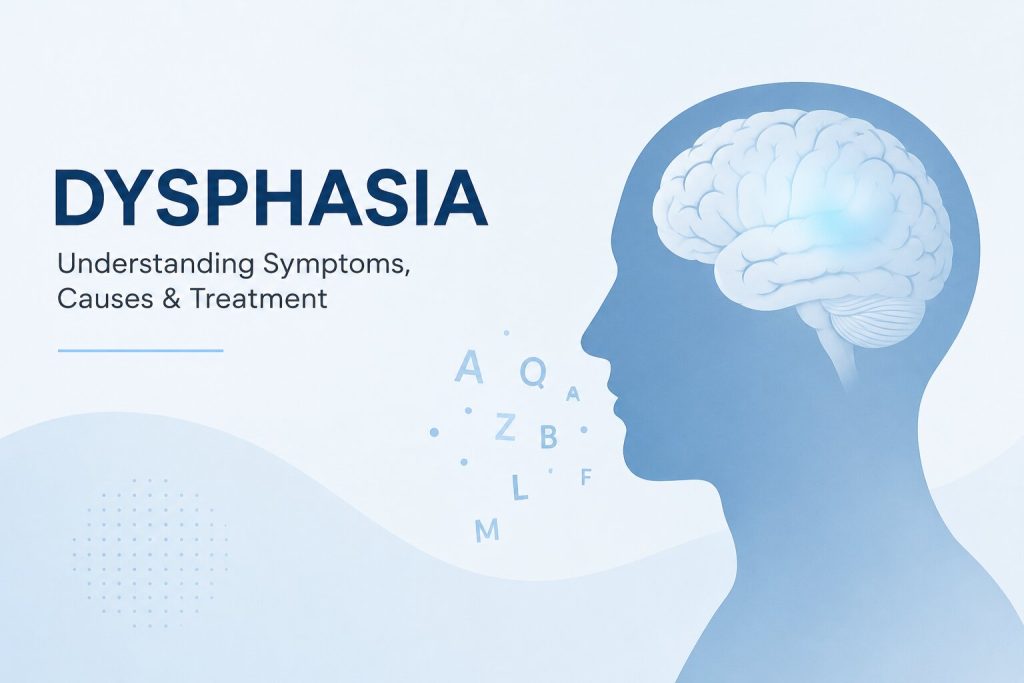
Dysphasia is a neurological condition that impairs communication abilities, including speaking, understanding language, reading, and writing. It occurs when areas of the brain responsible for language are damaged, disrupting how thoughts are processed and expressed through words and sentences clearly.
Unlike temporary speech difficulties caused by stress or fatigue, dysphasia is typically linked to structural brain issues. It may develop suddenly, such as after a stroke, or gradually due to progressive neurological conditions affecting cognitive and language processing abilities over time.
Dysphasia symptoms vary depending on the affected brain region, but they generally involve difficulty producing or understanding language. Some people may struggle to form sentences, while others may speak fluently but use incorrect or nonsensical words during conversations or writing tasks.
These symptoms can significantly impact daily life, making communication at work, home, or social settings challenging. Early recognition of these signs is critical for proper diagnosis and treatment, especially when symptoms appear suddenly or worsen over time.
Dysphasia occurs due to damage in the brain’s language centers, typically located in the left hemisphere. The severity and type of dysphasia depend on the extent and location of this damage, which directly affects communication abilities and language comprehension functions.
A stroke interrupts blood flow to parts of the brain, depriving cells of oxygen and causing damage. This often leads to sudden-onset dysphasia, requiring immediate medical attention to reduce long-term complications and improve recovery outcomes.
There are several types of dysphasia, classified based on how language is affected. Understanding the type helps guide treatment and rehabilitation strategies tailored to the patient’s specific communication difficulties and neurological condition.
Each type affects communication differently, but all forms require medical evaluation and often speech therapy to improve language skills and restore functional communication as much as possible.
You should seek immediate medical attention if dysphasia symptoms appear suddenly, as this may indicate a stroke or serious brain injury. Early diagnosis and treatment can significantly improve outcomes and prevent further neurological damage or long-term communication impairment.
Even mild or gradual symptoms should not be ignored. Persistent difficulty speaking, understanding, or remembering words may signal an underlying neurological condition that requires evaluation by a specialist to determine the cause and appropriate treatment plan.
At Medex Diagnostic and Treatment Center in Queens, NY, dysphasia is typically evaluated and treated by a neurologist, who specializes in brain and nervous system conditions. They perform diagnostic tests to identify the underlying cause and guide medical treatment strategies.
Patients are often referred to a speech-language pathologist, who works closely with neurologists to improve communication skills. Therapy focuses on rebuilding language abilities, enhancing comprehension, and helping patients regain confidence in everyday communication through structured exercises and rehabilitation programs.
Diagnosing dysphasia involves neurological exams, imaging tests such as MRI or CT scans, and language assessments. These tests help determine the extent of brain damage and identify the specific type of dysphasia affecting the patient’s communication abilities and cognitive function.
Treatment depends on the cause but often includes speech therapy, medications, and management of underlying conditions. Early intervention plays a critical role in recovery, with many patients showing significant improvement through consistent therapy and personalized rehabilitation plans over time.
Dysphasia and aphasia are often used interchangeably, but aphasia usually refers to more severe language impairment, while dysphasia may describe milder forms of communication difficulty caused by brain damage or neurological conditions.
In some cases, especially after a stroke or injury, dysphasia can improve with treatment and therapy. Recovery depends on the severity of brain damage, the patient’s overall health, and how early treatment begins after symptoms appear.
Dysphasia can be temporary or permanent. Some people recover within weeks or months, while others may experience long-term communication difficulties that require ongoing therapy and support to maintain and improve language function.
Dysphasia is usually caused by damage to the left hemisphere of the brain, particularly areas responsible for language processing, such as Broca’s area and Wernicke’s area, which control speech production and comprehension.
Medex is a multi-specialty clinic with 24-hour urgent care, primary care, and more than 30 board-certified specialists, including podiatry, cardiology, dermatology, pain management, gynecology, and physical therapy. Each department works under one roof for seamless referrals.
Yes. Every Medex doctor is board-certified in their specialty, undergoes peer review, and participates in ongoing CME (continuing medical education). Credentials are listed on our Meet the Doctors page.
Absolutely. Our Queens urgent care clinic is open for walk-in patients with minor injuries or sudden illnesses. You can also save time by reserving a same-day slot online.
Medex accepts all major commercial carriers plus Medicare, Medicaid, HIP, EmblemHealth, MetroPlus, Fidelis, and GHI. For specific coverage questions, call (718) 275-8900 or visit our Insurance page.
Use our secure online booking portal, call (718) 275-8900, or log in to the Patient Portal to reschedule.
Yes—most primary care and follow-up visits can be conducted via HIPAA-compliant video. Sign the Telemedicine Consent Form and choose “Virtual” when booking.
Yes. Our No-Fault Doctor Queens team handles car- accident injuries, and our Workers’ Comp Clinic manages job-related injuries and paperwork.
We’re at 111-29 Queens Blvd, Forest Hills, NY 11375—steps from the Forest Hills–71 Av subway station (E, F, M, R lines). A paid garage is next door and metered street parking surrounds the building.
We follow HIPAA privacy rules, store EHR data on encrypted servers, and require two-factor authentication for staff access. You may request records through our ChartRequest portal.
Adults in good health should schedule an annual physical. Patients managing chronic conditions may need follow-ups every 3–6 months; your doctor will advise a personalized schedule.
For safety, we require an active chart and a visit within the past 12 months (3 months for controlled substances). Ask your pharmacy to send an electronic refill request or message us through the Patient Portal.
Last reviewed: March 22, 2026.
Medex Diagnostic and Treatment Center
Coronavirus Disease (Covid19 IgG/IgM) FDA-approved rapid antibody tests, COVID-19, and Flu vaccine are now available at MEDEX medical office.