
111-29 Queens Blvd, Forest Hills, NY 11375
111-29 Queens Blvd, Forest Hills, NY 11375


Snoring is the sound produced when airflow is partially blocked during sleep, causing throat tissues to vibrate. To stop snoring, address underlying causes like nasal congestion, excess weight, sleep position, or conditions like sleep apnea through lifestyle changes, medical treatments, or devices.
Snoring is common but should not be ignored when persistent or severe. Identifying the underlying cause is the key to effective treatment, whether through simple lifestyle changes or medical intervention.
If your snoring affects your sleep or health, Medex Diagnostic and Treatment Center in Queens provides comprehensive evaluation and treatment options to help you breathe better, sleep better, and feel better every day.
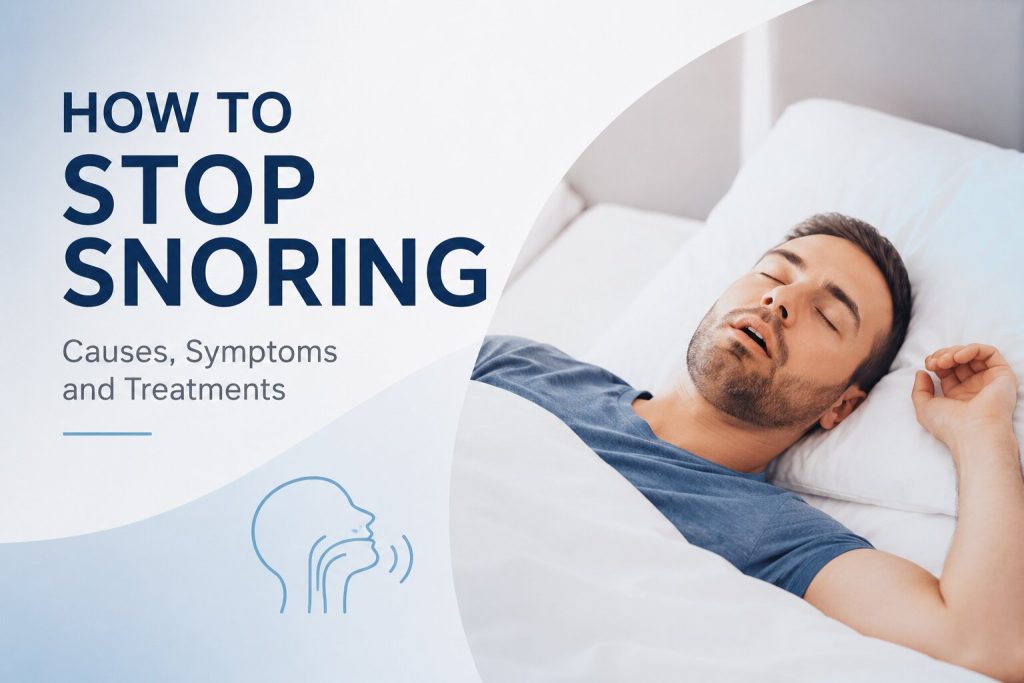
Snoring occurs when air cannot move freely through your nose and throat while sleeping, causing surrounding tissues to vibrate and produce sound. It can be occasional or chronic, and in some cases, it may signal a more serious health condition requiring evaluation.
Snoring is extremely common in adults and tends to increase with age, weight gain, and certain lifestyle habits. While many people consider it harmless, persistent snoring may reduce sleep quality and affect both your health and your partner’s rest.
Snoring itself is a symptom, but it is often associated with other signs that may indicate a deeper issue. Paying attention to these symptoms can help determine whether simple fixes or medical evaluation is necessary for proper treatment and long-term relief.
These symptoms may suggest conditions such as Obstructive Sleep Apnea, which requires medical attention rather than simple home remedies.
Snoring can be caused by multiple factors that narrow or block the airway during sleep. Identifying the exact cause is essential to choosing the most effective treatment and preventing complications that may affect breathing, sleep quality, and overall health.
Conditions like allergies, sinus infections, or a deviated septum can restrict airflow through the nose, forcing mouth breathing and increasing the likelihood of snoring during sleep, especially when lying flat on your back for extended periods.
Sleeping on your back causes the tongue and soft tissues to collapse backward into the airway, partially blocking airflow and creating vibrations. This is one of the most common and easily correctable causes of snoring in otherwise healthy individuals.
Extra fat around the neck can compress the airway, making it narrower and more likely to vibrate during breathing. Even moderate weight gain can significantly increase snoring intensity and frequency, especially in middle-aged adults.
Alcohol and certain medications relax the muscles of the throat, increasing the chances of airway collapse during sleep. This relaxation leads to louder and more frequent snoring episodes, particularly when consumed close to bedtime.
Chronic, loud snoring combined with breathing pauses may indicate Sleep Apnea, a serious condition that disrupts oxygen flow and significantly impacts cardiovascular and overall health if left untreated.
Stopping snoring requires a targeted approach based on the underlying cause. Many cases improve with simple lifestyle changes, while others may require medical treatment to fully resolve symptoms and restore healthy, uninterrupted sleep patterns.
These adjustments can significantly reduce mild to moderate snoring and improve overall sleep quality without the need for medical intervention.
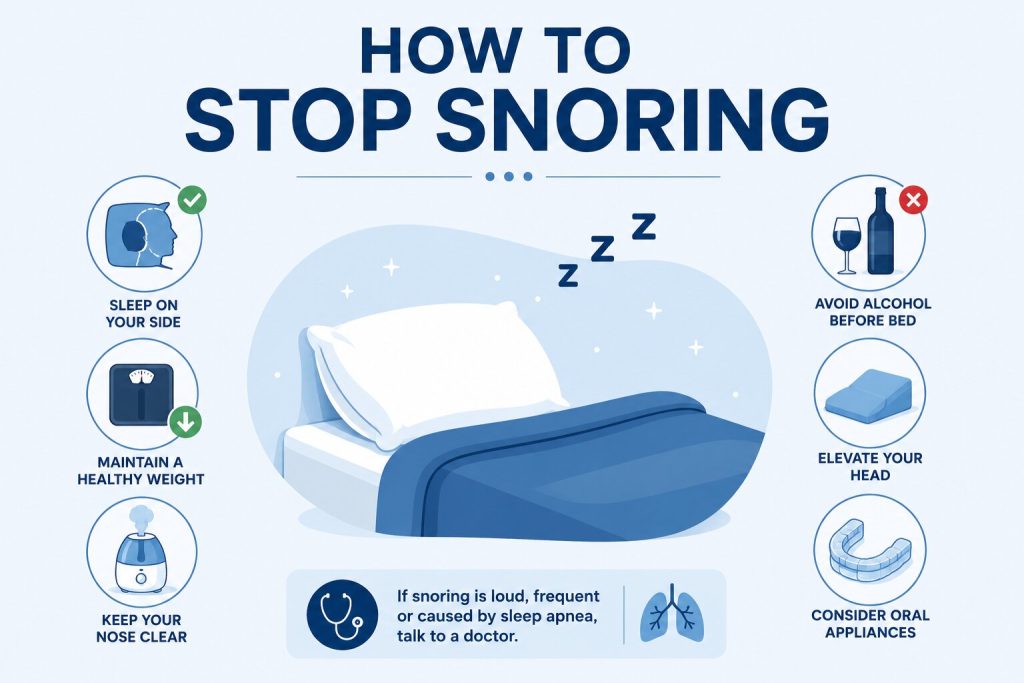
If lifestyle changes are not effective, medical evaluation may be necessary. At Medex Diagnostic and Treatment Center in Queens, specialists can diagnose and treat underlying conditions contributing to snoring using advanced diagnostic tools and personalized care plans.
These treatments are especially important when snoring is persistent, loud, or associated with breathing interruptions during sleep.
You should seek medical attention if your snoring is frequent, loud, or accompanied by symptoms that suggest a more serious condition. Early diagnosis can prevent complications and significantly improve both sleep quality and overall long-term health outcomes.
See a doctor if you experience:
At Medex Diagnostic and Treatment Center, you may be referred to a primary care physician, ENT specialist, or a sleep specialist depending on the underlying cause of your symptoms.
The right specialist depends on the root cause of your snoring. A comprehensive evaluation helps determine whether the issue is related to airway structure, sleep disorders, or other medical conditions requiring targeted treatment for long-term relief.
Medex Diagnostic and Treatment Center in Queens offers coordinated care, allowing patients to receive diagnosis and treatment in one location without delays.
Sleeping on your side, elevating your head, and avoiding alcohol before bed can reduce snoring right away. Using nasal strips or clearing congestion may also provide immediate relief for mild cases.
Occasional snoring is usually harmless, but chronic snoring may indicate sleep apnea, which can increase the risk of heart disease, stroke, and other serious health conditions if left untreated.
Yes, devices like oral appliances and CPAP machines are effective when used correctly, especially for people with moderate to severe snoring or diagnosed sleep apnea conditions.
Yes, weight loss often reduces pressure on the airway, making breathing easier during sleep and significantly decreasing or eliminating snoring in many individuals.
Medex is a multi-specialty clinic with 24-hour urgent care, primary care, and more than 30 board-certified specialists, including podiatry, cardiology, dermatology, pain management, gynecology, and physical therapy. Each department works under one roof for seamless referrals.
Yes. Every Medex doctor is board-certified in their specialty, undergoes peer review, and participates in ongoing CME (continuing medical education). Credentials are listed on our Meet the Doctors page.
Absolutely. Our Queens urgent care clinic is open for walk-in patients with minor injuries or sudden illnesses. You can also save time by reserving a same-day slot online.
Medex accepts all major commercial carriers plus Medicare, Medicaid, HIP, EmblemHealth, MetroPlus, Fidelis, and GHI. For specific coverage questions, call (718) 275-8900 or visit our Insurance page.
Use our secure online booking portal, call (718) 275-8900, or log in to the Patient Portal to reschedule.
Yes—most primary care and follow-up visits can be conducted via HIPAA-compliant video. Sign the Telemedicine Consent Form and choose “Virtual” when booking.
Yes. Our No-Fault Doctor Queens team handles car- accident injuries, and our Workers’ Comp Clinic manages job-related injuries and paperwork.
We’re at 111-29 Queens Blvd, Forest Hills, NY 11375—steps from the Forest Hills–71 Av subway station (E, F, M, R lines). A paid garage is next door and metered street parking surrounds the building.
We follow HIPAA privacy rules, store EHR data on encrypted servers, and require two-factor authentication for staff access. You may request records through our ChartRequest portal.
Adults in good health should schedule an annual physical. Patients managing chronic conditions may need follow-ups every 3–6 months; your doctor will advise a personalized schedule.
For safety, we require an active chart and a visit within the past 12 months (3 months for controlled substances). Ask your pharmacy to send an electronic refill request or message us through the Patient Portal.
Last reviewed: March 22, 2026.
Medex Diagnostic and Treatment Center
Coronavirus Disease (Covid19 IgG/IgM) FDA-approved rapid antibody tests, COVID-19, and Flu vaccine are now available at MEDEX medical office.