
111-29 Queens Blvd, Forest Hills, NY 11375
111-29 Queens Blvd, Forest Hills, NY 11375


Polymyositis is a systemic autoimmune disease that inflames skeletal muscles, causing progressive weakness (often in hips and shoulders), fatigue, and sometimes pain. It can become dangerous when it affects swallowing or breathing, increasing the risk of aspiration pneumonia and respiratory failure. Rarely, systemic inflammation may involve the gastrointestinal tract (including intestinal vasculitis). Early evaluation, lab testing (e.g., CK), EMG, imaging, and sometimes muscle biopsy help confirm the diagnosis and guide treatment.
Important: This article is for educational purposes and does not replace medical advice. Polymyositis can become serious and requires evaluation by a licensed clinician.
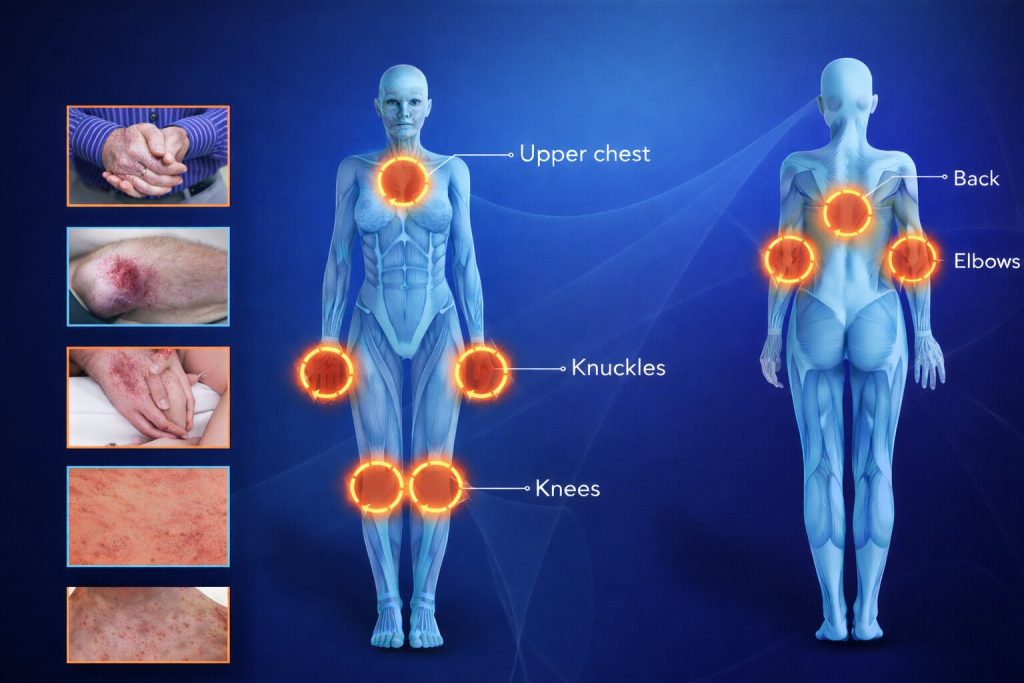
Polymyositis is a systemic autoimmune disease in which the immune system mistakenly attacks skeletal (striated) muscles, causing inflammation, pain, progressive weakness, and sometimes muscle wasting (atrophy). It can also affect other organs and systems, including the lungs, heart, and gastrointestinal (GI) tract.
A key message: complications may be life-threatening. GI involvement such as intestinal vasculitis, as well as aspiration pneumonia and respiratory failure, can lead to fatal outcomes if medical care is delayed.
If you notice new or worsening muscle weakness (especially in shoulders/hips), trouble swallowing, or shortness of breath, seek medical evaluation promptly.
At Medex Diagnostic & Treatment Center, we can help coordinate:
If you suspect polymyositis, or you’ve already been diagnosed and symptoms are changing—contact our team to schedule a medical evaluation.
Polymyositis is part of a group called idiopathic inflammatory myopathies, conditions characterized by ongoing muscle inflammation and weakness. It most often causes symmetric weakness in the muscles closest to the torso (hips, thighs, shoulders, upper arms, neck).
Unlike dermatomyositis, polymyositis typically does not start with a skin rash. However, diagnosis requires careful evaluation because several conditions can mimic polymyositis, and treatment decisions depend on the exact subtype of inflammatory myopathy.
Polymyositis is not “just muscle pain.” It can impair vital functions such as swallowing and breathing:
Get urgent care immediately if you have:
The exact cause is not fully understood. Polymyositis is considered autoimmune, meaning the immune system targets healthy tissue. Researchers have explored possible triggers including infections and genetic susceptibility.
Potential factors associated with onset or flares may include:
Clinicians may discuss polymyositis in categories based on presentation and associated conditions—such as “primary polymyositis,” overlap with other autoimmune diseases, or cancer-associated myositis in appropriate clinical contexts.
Course patterns can include:
Symptoms often develop gradually over weeks to months.
Polymyositis complications can include:
A proper diagnosis typically combines symptoms, exam findings, lab work, and specialized testing. Your clinician may also evaluate for related conditions that can look similar.
Common steps include:
Because polymyositis can affect multiple organs, clinicians may also coordinate evaluation with rheumatology, pulmonology, cardiology, neurology, and gastroenterology depending on symptoms.
Treatment aims to reduce immune-driven inflammation, restore function, and prevent complications.
Make an appointment promptly if you have:
Early evaluation matters, timely treatment may help reduce the risk of severe complications and support longer-term function.
Is polymyositis curable?
Polymyositis is often a chronic condition, but many people can achieve good symptom control and periods of remission with appropriate treatment and monitoring.
What’s the difference between polymyositis and dermatomyositis?
Dermatomyositis includes muscle inflammation plus a characteristic skin rash, while polymyositis typically does not.
Why does swallowing become difficult?
Inflammation and weakness can affect the muscles involved in swallowing, increasing the risk of aspiration and aspiration pneumonia.
When is it an emergency?
Seek emergency care for severe breathing difficulty, suspected aspiration with fever or worsening cough, chest pain/fainting, or severe abdominal pain/bleeding.
Medex is a multi-specialty clinic with 24-hour urgent care, primary care, and more than 30 board-certified specialists, including podiatry, cardiology, dermatology, pain management, gynecology, and physical therapy. Each department works under one roof for seamless referrals.
Yes. Every Medex doctor is board-certified in their specialty, undergoes peer review, and participates in ongoing CME (continuing medical education). Credentials are listed on our Meet the Doctors page.
Absolutely. Our Queens urgent care clinic is open for walk-in patients with minor injuries or sudden illnesses. You can also save time by reserving a same-day slot online.
Medex accepts all major commercial carriers plus Medicare, Medicaid, HIP, EmblemHealth, MetroPlus, Fidelis, and GHI. For specific coverage questions, call (718) 275-8900 or visit our Insurance page.
Use our secure online booking portal, call (718) 275-8900, or log in to the Patient Portal to reschedule.
Yes—most primary care and follow-up visits can be conducted via HIPAA-compliant video. Sign the Telemedicine Consent Form and choose “Virtual” when booking.
Yes. Our No-Fault Doctor Queens team handles car- accident injuries, and our Workers’ Comp Clinic manages job-related injuries and paperwork.
We’re at 111-29 Queens Blvd, Forest Hills, NY 11375—steps from the Forest Hills–71 Av subway station (E, F, M, R lines). A paid garage is next door and metered street parking surrounds the building.
We follow HIPAA privacy rules, store EHR data on encrypted servers, and require two-factor authentication for staff access. You may request records through our ChartRequest portal.
Adults in good health should schedule an annual physical. Patients managing chronic conditions may need follow-ups every 3–6 months; your doctor will advise a personalized schedule.
For safety, we require an active chart and a visit within the past 12 months (3 months for controlled substances). Ask your pharmacy to send an electronic refill request or message us through the Patient Portal.
Last reviewed: March 22, 2026.
Medex Diagnostic and Treatment Center
Coronavirus Disease (Covid19 IgG/IgM) FDA-approved rapid antibody tests, COVID-19, and Flu vaccine are now available at MEDEX medical office.