
111-29 Queens Blvd, Forest Hills, NY 11375
111-29 Queens Blvd, Forest Hills, NY 11375


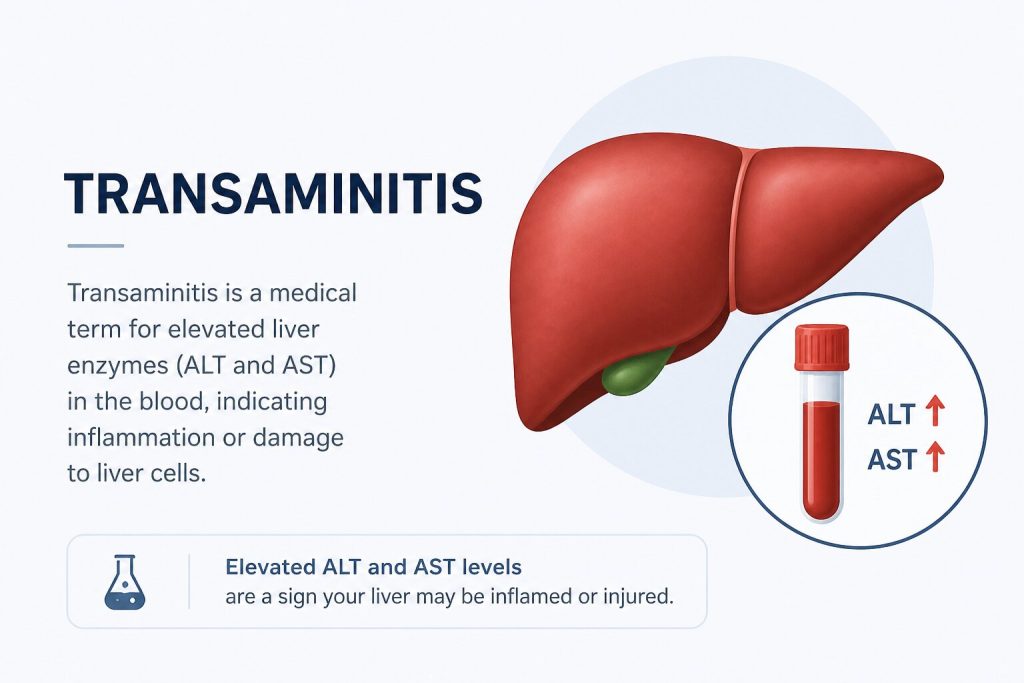
Transaminitis is a medical term used to describe elevated liver enzymes, specifically ALT (alanine aminotransferase) and AST (aspartate aminotransferase), in the blood. It usually signals inflammation or damage to liver cells and can be temporary or a sign of underlying liver disease.
Transaminitis is a common but important medical finding that signals liver stress or damage. While it is often mild and reversible, it should never be ignored, as it may be the first sign of a more serious condition.
At Medex Diagnostic and Treatment Center in Queens, NY, evaluation of transaminitis typically starts with a primary care physician or internal medicine doctor. They will review your history, medications, and lifestyle factors before ordering additional tests.
If needed, you may be referred to a gastroenterologist or hepatologist, specialists who focus on liver and digestive diseases. These providers can perform advanced diagnostics and develop a targeted treatment plan based on the underlying cause.
Note: Medex DTC located in Forest Hills, Queens, NY, is accepting all major insurances including Medicare, Medicaid, HIP, Emblemhealth, GHI, MetroPlus, Fidelis. Our top-rated providers offer a full range of procedures and are among the best doctors in Queens.
Transaminitis refers to a condition where liver enzyme levels, ALT and AST, are higher than normal on a blood test. These enzymes normally live inside liver cells, but when the liver is stressed or damaged, they leak into the bloodstream, causing elevated levels.
This is not a disease itself but a clinical finding. Doctors use it as a signal to investigate potential liver conditions, lifestyle factors, or systemic illnesses. Many cases are mild and reversible, but some may indicate serious liver disease requiring prompt evaluation.
In many cases, transaminitis causes no noticeable symptoms, especially in mild elevations. It is often discovered during routine blood work. However, when symptoms do appear, they may include the following signs related to liver stress.
Symptoms tend to appear when liver inflammation becomes more significant. Mild transaminitis may go unnoticed for months, which is why routine testing plays an important role in early detection and prevention of more serious complications.
There are many possible causes of elevated liver enzymes, ranging from temporary conditions to chronic liver diseases. Identifying the root cause is critical to determining whether treatment is needed or if the issue will resolve on its own.
Non-alcoholic fatty liver disease (NAFLD) is one of the most common causes of transaminitis, especially in people with obesity, diabetes, or metabolic syndrome. Excess fat buildup in the liver leads to inflammation and mild to moderate enzyme elevation.
Excessive alcohol consumption can damage liver cells, leading to alcoholic hepatitis or long-term liver disease. Even moderate drinking in sensitive individuals can sometimes cause temporary elevations in AST and ALT levels.
Certain medications, such as acetaminophen, antibiotics, statins, and herbal supplements, can stress the liver. Drug-induced liver injury is a common but often reversible cause of transaminitis when identified early.
Infections like hepatitis A, B, or C can inflame the liver and cause significant enzyme elevation. These conditions range from acute and self-limited to chronic infections that require long-term medical management.
Heavy workouts or muscle trauma can temporarily increase AST levels, as this enzyme is also found in muscle tissue. This type of transaminitis is usually short-lived and not related to liver disease.
Autoimmune hepatitis, hemochromatosis (iron overload), and Wilson’s disease (copper buildup) can also lead to persistent liver enzyme elevation. These conditions require specialized testing and long-term management strategies.
You should see a doctor if your blood test shows elevated liver enzymes, even if you feel fine. Transaminitis may be the earliest sign of a developing liver condition that can be treated effectively when caught early and monitored properly.
Seek immediate medical attention if transaminitis is accompanied by symptoms like jaundice, severe abdominal pain, confusion, or vomiting. These may indicate acute liver injury or liver failure, which requires urgent evaluation and treatment.
At Medex Diagnostic and Treatment Center in Queens, NY, evaluation of transaminitis typically starts with a primary care physician or internal medicine doctor. They will review your history, medications, and lifestyle factors before ordering additional tests.
If needed, you may be referred to a gastroenterologist or hepatologist, specialists who focus on liver and digestive diseases. These providers can perform advanced diagnostics and develop a targeted treatment plan based on the underlying cause.
Diagnosis begins with a blood test showing elevated ALT and AST levels. From there, doctors may order additional tests to identify the cause and assess the severity of liver involvement.
Accurate diagnosis is essential because treatment depends entirely on the underlying cause. Some cases resolve with simple lifestyle changes, while others require medication or long-term monitoring by a specialist.
Treatment focuses on addressing the root cause of liver enzyme elevation. Many cases are reversible, especially when lifestyle factors or medications are involved. Early intervention significantly improves outcomes and prevents long-term liver damage.
Common treatment approaches include:
In mild cases, liver enzymes may return to normal within weeks. However, persistent transaminitis requires follow-up to ensure there is no progression to chronic liver disease.
Mild transaminitis typically means enzyme levels are 1–3 times above normal. Higher elevations may indicate more serious liver inflammation and require further testing to determine the underlying cause.
It can be, depending on the cause. Mild cases are often temporary, but persistent or severe elevations may signal liver disease that requires treatment to prevent complications like cirrhosis or liver failure.
Yes, especially if caused by temporary factors like medications, alcohol, or exercise. However, it should always be evaluated by a doctor to rule out more serious conditions.
Duration varies depending on the cause. Some cases resolve within days or weeks, while others may persist and require long-term management and monitoring.
If you’ve been told you have elevated liver enzymes, schedule an evaluation at Medex Diagnostic and Treatment Center in Queens, NY. Early diagnosis and targeted treatment can protect your liver and prevent long-term health complications.
Medex is a multi-specialty clinic with 24-hour urgent care, primary care, and more than 30 board-certified specialists, including podiatry, cardiology, dermatology, pain management, gynecology, and physical therapy. Each department works under one roof for seamless referrals.
Yes. Every Medex doctor is board-certified in their specialty, undergoes peer review, and participates in ongoing CME (continuing medical education). Credentials are listed on our Meet the Doctors page.
Absolutely. Our Queens urgent care clinic is open for walk-in patients with minor injuries or sudden illnesses. You can also save time by reserving a same-day slot online.
Medex accepts all major commercial carriers plus Medicare, Medicaid, HIP, EmblemHealth, MetroPlus, Fidelis, and GHI. For specific coverage questions, call (718) 275-8900 or visit our Insurance page.
Use our secure online booking portal, call (718) 275-8900, or log in to the Patient Portal to reschedule.
Yes—most primary care and follow-up visits can be conducted via HIPAA-compliant video. Sign the Telemedicine Consent Form and choose “Virtual” when booking.
Yes. Our No-Fault Doctor Queens team handles car- accident injuries, and our Workers’ Comp Clinic manages job-related injuries and paperwork.
We’re at 111-29 Queens Blvd, Forest Hills, NY 11375—steps from the Forest Hills–71 Av subway station (E, F, M, R lines). A paid garage is next door and metered street parking surrounds the building.
We follow HIPAA privacy rules, store EHR data on encrypted servers, and require two-factor authentication for staff access. You may request records through our ChartRequest portal.
Adults in good health should schedule an annual physical. Patients managing chronic conditions may need follow-ups every 3–6 months; your doctor will advise a personalized schedule.
For safety, we require an active chart and a visit within the past 12 months (3 months for controlled substances). Ask your pharmacy to send an electronic refill request or message us through the Patient Portal.
Last reviewed: March 22, 2026.
Medex Diagnostic and Treatment Center
Coronavirus Disease (Covid19 IgG/IgM) FDA-approved rapid antibody tests, COVID-19, and Flu vaccine are now available at MEDEX medical office.