
111-29 Queens Blvd, Forest Hills, NY 11375
111-29 Queens Blvd, Forest Hills, NY 11375


Salmonella infection (salmonellosis) is a common foodborne bacterial illness that affects the intestines. Symptoms usually start 6 hours to 6 days after exposure and commonly include diarrhea, fever, stomach cramps, nausea, and vomiting. Most healthy people recover within a few days to a week, but severe dehydration or bloodstream infection can occur, especially in infants, older adults, pregnant people, and those with weakened immune systems. Prevention focuses on hand-washing, avoiding cross-contamination, cooking foods thoroughly, and avoiding raw eggs and unpasteurized dairy.
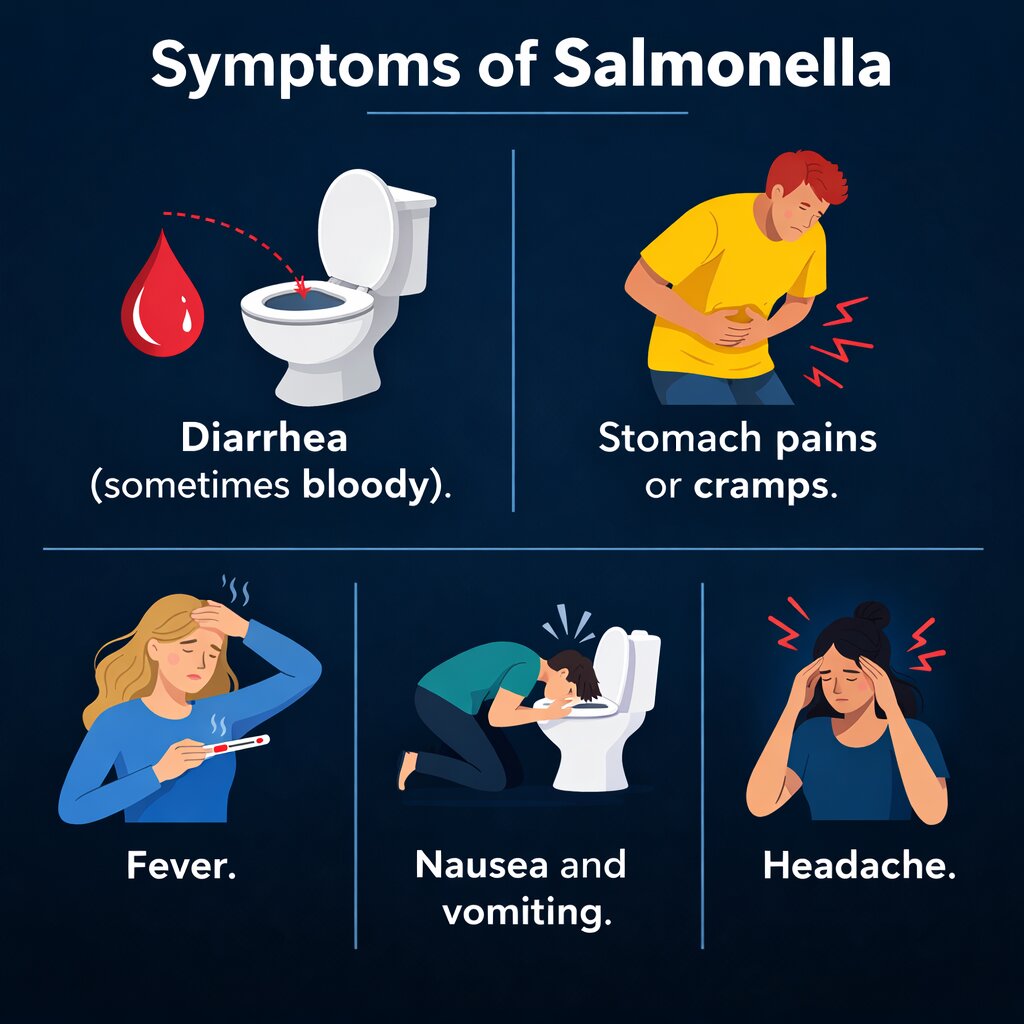
Salmonella infection (salmonellosis) is a common foodborne bacterial illness that primarily affects the intestinal tract. Salmonella bacteria typically live in animal and human intestines and are shed through stool (feces). People most often get infected after consuming contaminated food or water.
Some people with salmonellosis have no symptoms, while others develop diarrhea, fever, and stomach (abdominal) cramps within 8 to 72 hours after exposure. Most healthy people recover in a few days to a week without specific treatment.
In some cases, diarrhea can lead to severe dehydration and requires prompt medical care. Rarely, Salmonella can spread beyond the intestines and cause serious, potentially life-threatening complications. Risk is higher for people who travel to areas with unsafe drinking water or inadequate sewage sanitation.
Salmonella infection is most commonly linked to eating raw or undercooked meat, poultry, or eggs, or drinking unpasteurized milk. The incubation period (time from exposure to symptoms) can range from 6 hours to 6 days.
Many people mistake salmonellosis for a “stomach flu” because the symptoms can be similar.
Symptoms typically last a few days to a week.
Diarrhea may continue for up to 10 days, and it can take weeks to months for bowel habits to fully return to normal.
Note: Certain types of Salmonella can cause typhoid fever, a different and potentially severe illness more common in regions with limited sanitation.
Most people don’t need medical attention because symptoms often improve on their own. However, you should contact a healthcare provider if the person affected is an infant, young child, older adult, pregnant, or immunocompromised, or if symptoms are severe.
Emergency warning signs (seek urgent care): severe weakness, confusion, fainting, inability to keep fluids down, or signs of severe dehydration.
Salmonella bacteria live in the intestines of people, animals, and birds. Infection happens when Salmonella is swallowed—usually through contaminated food, contaminated water, or contact with contaminated surfaces.
Common sources include:
Food can become contaminated when someone prepares it without proper hygiene—especially if they don’t wash hands after using the toilet, changing diapers, or handling raw meat.
People can become infected by touching contaminated surfaces (countertops, cutting boards, utensils), then touching their mouth or eating without washing hands.
Some animals—especially birds and reptiles—can carry Salmonella on their skin, feathers, fur, or in feces. Contaminated pet food can also spread Salmonella to pets (and then to people).
You may be at higher risk of infection (or severe illness) due to increased exposure or reduced ability to fight infection.
Your body’s defenses (like stomach acid and healthy gut bacteria) help prevent infection. Some conditions and medications can weaken these defenses:
Higher risk for more severe disease:
Salmonella infection is usually not life-threatening, but complications can be serious for higher-risk groups.
Diarrhea and vomiting can cause dehydration if fluids aren’t replaced.
Dehydration warning signs:
If Salmonella enters the bloodstream, it can spread and infect other parts of the body, including:
After salmonellosis, some people develop reactive arthritis, which may include:
Preventing salmonella infection mostly comes down to food safety and hand hygiene, especially when caring for infants, older adults, pregnant people, or those with weakened immune systems.
Wash with soap and water for at least 20 seconds, especially after you:
Be cautious with foods that may contain raw eggs (homemade cookie dough, mayonnaise, hollandaise, eggnog). If consuming egg-based foods, choose products made with pasteurized eggs. Avoid unpasteurized milk and products made from it.
Most cases come from eating contaminated food, especially undercooked poultry, eggs, meat, or unpasteurized dairy, or from contaminated water.
Symptoms can begin 6 hours to 6 days after exposure, commonly within 8–72 hours.
It can be, especially if someone doesn’t wash hands well after using the bathroom. Salmonella spreads through the fecal–oral route.
Most people feel better within a few days to a week, but diarrhea can last up to 10 days, and digestion may take longer to fully normalize.
Less urination, dark urine, dry mouth, dizziness, unusual fatigue, confusion, and—in children—no tears when crying.
Seek urgent care for severe dehydration, inability to keep fluids down, fainting, confusion, severe weakness, or worsening symptoms.
Many healthy people don’t. Antibiotics may be used for severe illness or higher-risk patients, this decision should be made by a clinician.
Yes. Bloody stools can occur and are a reason to contact a healthcare provider.
Yes, especially reptiles, chicks, ducklings, and birds. Wash hands after handling pets or cleaning their habitats.
Hand-washing, avoiding cross-contamination in the kitchen, cooking foods thoroughly, and avoiding raw eggs and unpasteurized dairy.
Medex is a multi-specialty clinic with 24-hour urgent care, primary care, and more than 30 board-certified specialists, including podiatry, cardiology, dermatology, pain management, gynecology, and physical therapy. Each department works under one roof for seamless referrals.
Yes. Every Medex doctor is board-certified in their specialty, undergoes peer review, and participates in ongoing CME (continuing medical education). Credentials are listed on our Meet the Doctors page.
Absolutely. Our Queens urgent care clinic is open for walk-in patients with minor injuries or sudden illnesses. You can also save time by reserving a same-day slot online.
Medex accepts all major commercial carriers plus Medicare, Medicaid, HIP, EmblemHealth, MetroPlus, Fidelis, and GHI. For specific coverage questions, call (718) 275-8900 or visit our Insurance page.
Use our secure online booking portal, call (718) 275-8900, or log in to the Patient Portal to reschedule.
Yes—most primary care and follow-up visits can be conducted via HIPAA-compliant video. Sign the Telemedicine Consent Form and choose “Virtual” when booking.
Yes. Our No-Fault Doctor Queens team handles car- accident injuries, and our Workers’ Comp Clinic manages job-related injuries and paperwork.
We’re at 111-29 Queens Blvd, Forest Hills, NY 11375—steps from the Forest Hills–71 Av subway station (E, F, M, R lines). A paid garage is next door and metered street parking surrounds the building.
We follow HIPAA privacy rules, store EHR data on encrypted servers, and require two-factor authentication for staff access. You may request records through our ChartRequest portal.
Adults in good health should schedule an annual physical. Patients managing chronic conditions may need follow-ups every 3–6 months; your doctor will advise a personalized schedule.
For safety, we require an active chart and a visit within the past 12 months (3 months for controlled substances). Ask your pharmacy to send an electronic refill request or message us through the Patient Portal.
Last reviewed: March 22, 2026.
Medex Diagnostic and Treatment Center
Coronavirus Disease (Covid19 IgG/IgM) FDA-approved rapid antibody tests, COVID-19, and Flu vaccine are now available at MEDEX medical office.